

One Brand Film Cannot Build Trust on Its Own
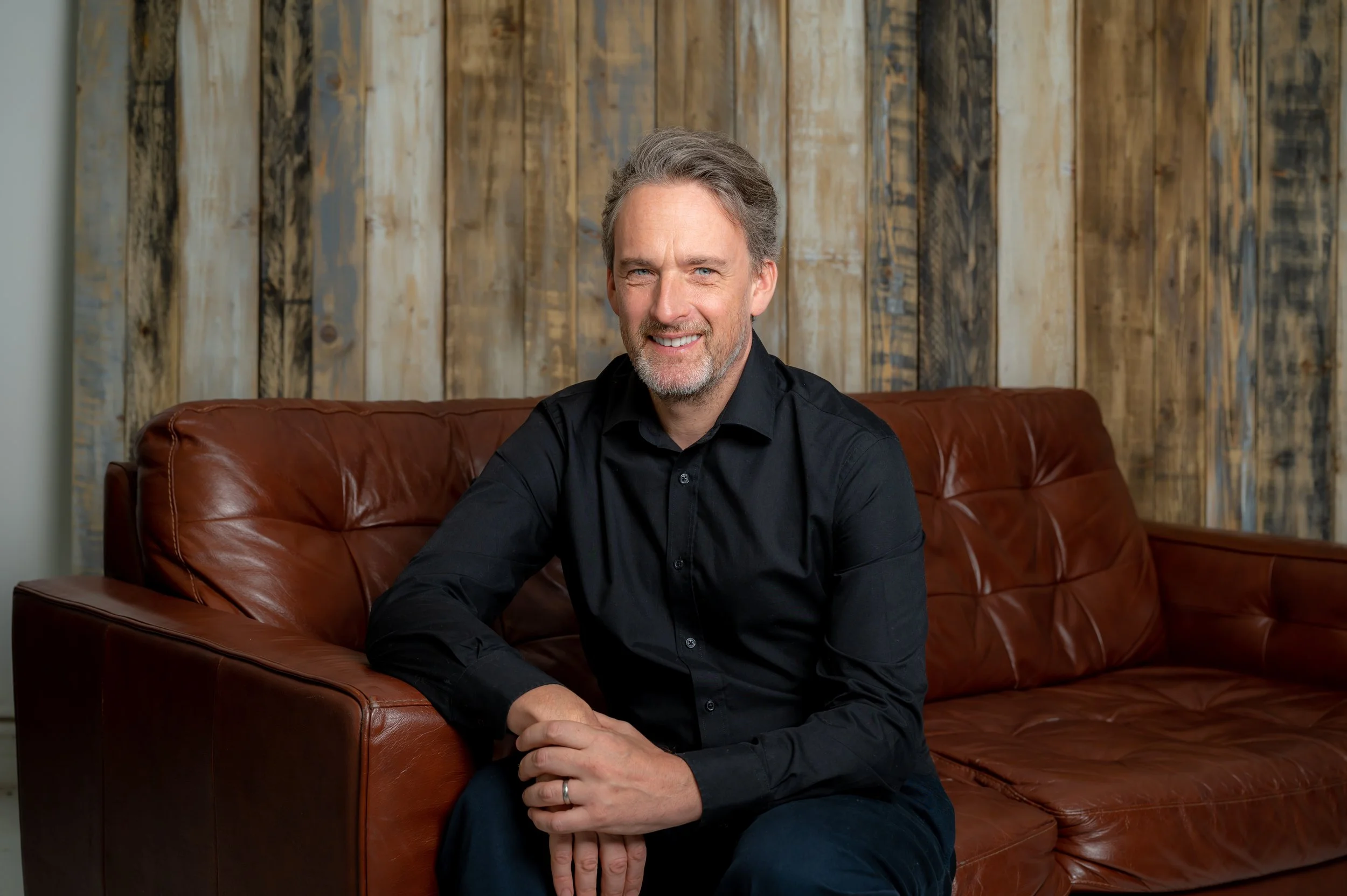
A beautifully produced brand film can be one of the most powerful assets a business creates.
It can communicate your story, introduce your people, explain what you believe and give potential customers a feeling for the organisation behind the service.
But one brand film cannot build trust on its own.
It can make a strong introduction, but trust is rarely created through one message, one video or one voice. It develops when potential customers repeatedly encounter consistent evidence that supports what a business claims.
Your brand says you are experienced.
Your employees demonstrate that experience.
Your customers confirm that you deliver.
Trusted partners and industry voices reinforce your credibility.
That is the difference between telling people that your business can be trusted and giving them enough evidence to believe it.

Trust is built through reinforcement, not repetition
Many businesses approach content by repeatedly broadcasting the same message:
“We provide excellent service.”
“We care about our customers.”
“We are experts in our field.”
“We deliver high-quality work.”
The wording might change, but the source remains the same: the business talking about itself.
Repeating a claim can help people remember it. It does not necessarily make the claim more believable.
Credibility becomes stronger when different people provide different forms of evidence.
Research published by the LinkedIn B2B Institute in partnership with Ipsos describes four reinforcing voices that contribute to B2B trust:
The brand
Employees
Customers
Creators and other credible external voices
LinkedIn calls this a “Credibility Stack.” Its central argument is that trust grows when these voices work together rather than appearing as disconnected marketing activities.
For Create The Image, this gives us a useful way to think about photography and video.
Instead of asking:
“What content should we create?”
We can ask:
“Which voice does our audience need to hear next, and what evidence will help them trust it?”
The four voices of business trust
1. The brand voice: What do you stand for?
The brand voice provides clarity.
It communicates:
Who the business helps
What problem it solves
Why its work matters
What makes its approach different
What customers can expect
Where the business is going
This is where a brand film can be particularly valuable.
A well-planned brand film can bring together the company’s purpose, personality, people and proposition. It gives potential customers a clear starting point for understanding the business.
Supporting brand assets might include:
A primary brand film
Founder or leadership interviews
Brand-purpose videos
Campaign films
Service-explainer videos
Commercial lifestyle photography
Workplace and environment photography
Campaign images
Website header films
Brand-positioning social clips
These assets establish the story, but they are still the business’s own version of events.
The next three voices help prove it.

2. The employee voice: Can your people demonstrate it?
Employees turn brand promises into something visible and human.
If a business says that it is knowledgeable, responsive or committed to customer service, its people should be able to demonstrate what those qualities look like in practice.
Employee content can show:
The expertise inside the organisation
How people approach their work
The culture behind the company
How customers are treated
How problems are solved
Why employees care about the result
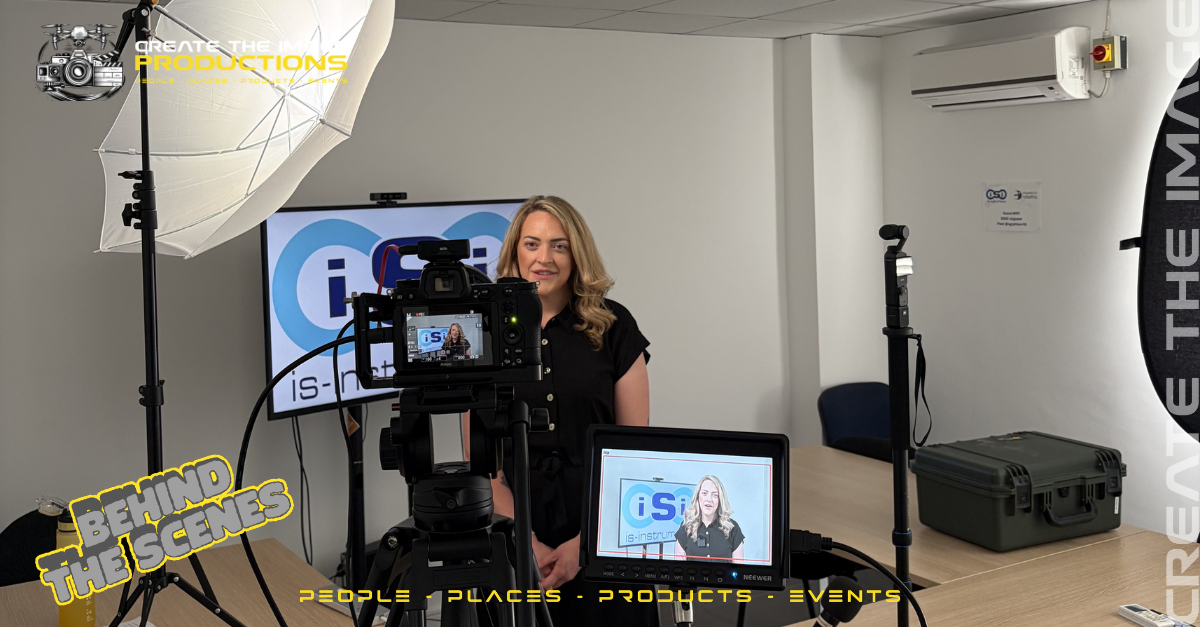
What happens behind the scenes
Useful employee assets include:
Meet-the-team photography
Employee profile films
Expert-answer videos
Day-in-the-life content
Behind-the-scenes photography
Process demonstrations
Workplace interaction photographs
Recruitment and culture films
Employee-led LinkedIn clips
Training and knowledge-sharing content
This is particularly valuable for service-based businesses.
Customers are not only choosing a service. They are choosing the people who will deliver it.
Seeing those people before making contact can reduce uncertainty and make the business feel more familiar, capable and approachable.
3. The customer voice: Has somebody else experienced the result?
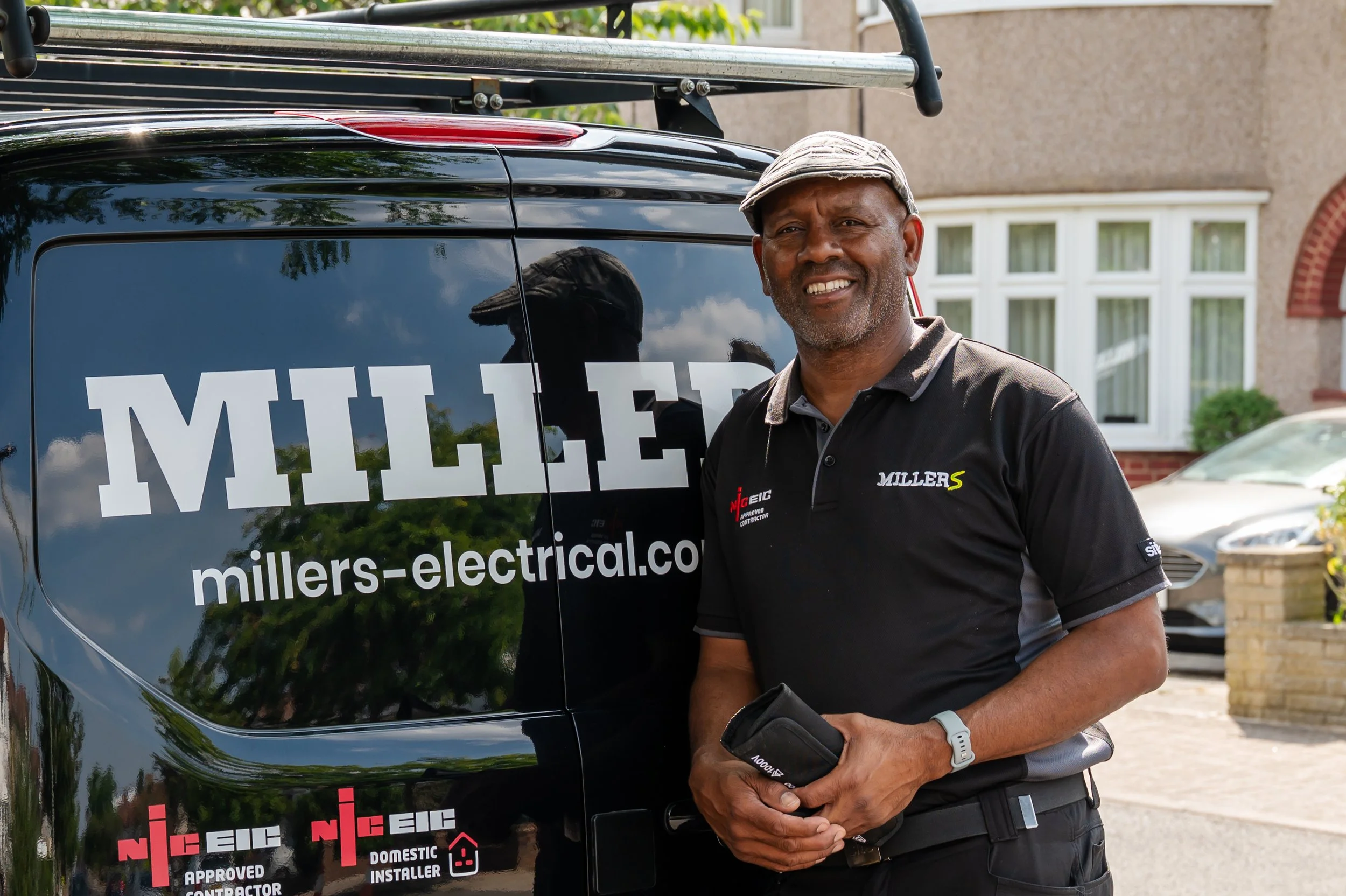
Customer content converts promises into proof.
A business can claim that it delivers a great service. A customer can explain what working with that business actually changed.
Strong customer content should go beyond:
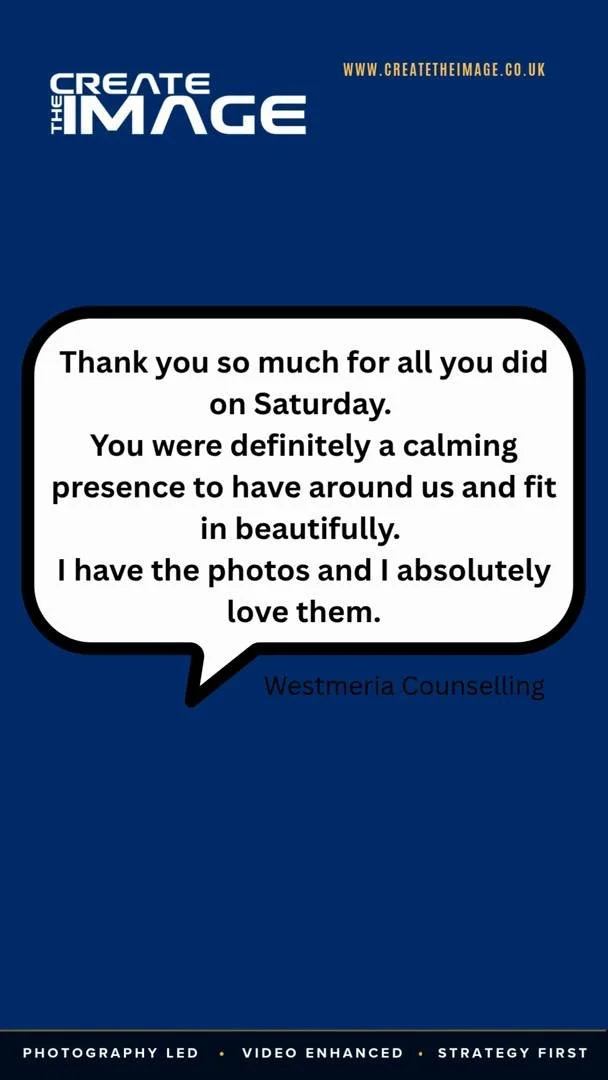
“They were brilliant. We highly recommend them.”
It should help potential customers understand:
What problem existed
Why the customer chose the business
What the experience was like
How challenges were handled
What changed as a result
Why the customer would make the same decision again
Customer assets might include:
Testimonial videos
Customer portrait photography
Case-study films
Before-and-after photography
Project photography
Customer interview clips
Results-led social videos
Written case studies with original images
Customer quote graphics
Joint behind-the-scenes content
This voice is powerful because it reduces perceived risk.
The viewer no longer has to rely entirely on what the business says about itself. They can see someone who faced a similar problem, made the decision and experienced the outcome.

4. The external voice: Who else supports your credibility?
The fourth voice comes from outside the immediate relationship between the business and its customers.
This could include:
Industry specialists
Professional partners
Suppliers
Creators
Trade bodies
Event organisers
Community leaders
Relevant publications
Referral partners
External voices can help a business reach established audiences and borrow credibility from respected people or organisations.
Assets could include:
Partner interviews
Collaborative videos
Expert round-table discussions
Podcast conversations
Event photography
Speaker and panel content
Partner case studies
Co-created educational videos
Industry-commentary clips
Referral-partner profiles
Award and accreditation photography
Creator-led product or service demonstrations
The external voice does not replace the brand’s expertise. It provides another credible perspective that supports it.
How the voices work together
Imagine a potential customer discovering a professional services company.
First, they watch a short brand film that clearly explains the company’s approach.
They then see a member of the team answer a technical question on LinkedIn.
On the website, they watch a customer describe how the company solved a similar problem.
Later, they encounter a collaborative video featuring a respected industry partner.
No single piece of content creates the entire decision.
Together, however, those assets tell a consistent story:
The brand makes a clear promise.
The employee demonstrates the capability.
The customer confirms the experience.
The external voice reinforces the credibility.
Trust compounds because the evidence is connected.

Why one annual shoot is rarely enough
A one-off shoot can create a valuable foundation, but businesses do not stand still.
Over the course of a year:
New employees join
Services develop
Customer projects are completed
New questions emerge
Partnerships are formed
Campaigns change
Results become available
The market moves
The business gains more experience
If the visual content does not evolve with the company, the gap between the real business and the business shown online gradually grows.
That is why a quarterly Visual Asset Library makes commercial sense.
It gives the business a regular opportunity to capture new evidence rather than waiting until the website feels outdated or the social media library has run dry.
The quarterly Trust Asset Library
Each quarterly session can focus on a different trust voice while also updating essential business photography and video.
Quarter 1: Establish the brand
Create the core visual foundation:
Leadership photography
Updated team images
Brand film or brand-film chapters
Service photography
Workplace and location content
Core website assets
Founder or leadership interviews
Primary purpose: Establish clarity about who the business is, who it helps and why its approach matters.
Quarter 2: Reveal the expertise
Capture the knowledge and people inside the organisation:
Expert-answer videos
Employee profiles
Demonstrations
Process photography
Behind-the-scenes content
Day-in-the-life sequences
Culture and recruitment assets
Primary purpose: Show that the people behind the promises have the knowledge and capability to deliver them.
Quarter 3: Prove the results
Turn completed work and customer experiences into evidence:
Customer testimonials
Case-study films
Customer portraits
Project photography
Before-and-after images
Results graphics and supporting B-roll
Customer-focused social clips
Primary purpose: Reduce risk by showing that other customers have already experienced the promised result.
Quarter 4: Expand the credibility
Bring in external voices and wider industry activity:
Partner interviews
Collaborative educational content
Event photography
Podcast recordings
Expert discussions
Community projects
Awards, speaking and accreditation content
Primary purpose: Position the business within a wider network of trusted expertise and prepare the content plan for the next year.
This does not have to be a rigid sequence. A customer testimonial should be captured when the opportunity exists, and a new team member should not wait nine months for a photograph.
The framework provides direction while remaining flexible enough to respond to real business activity.

From “we need content” to “we need evidence”
This changes the conversation around commercial photography and video.
Instead of asking:
“We are running out of social media posts, can we arrange another shoot?”
The business can ask:
Which trust voice is currently missing?
Which claims still need stronger proof?
What has changed since the previous shoot?
Which customer questions are we hearing?
Where are people hesitating?
What business priority must the next content support?
Which stage of the customer journey needs more evidence?
That leads to more focused briefs and more useful assets.
It also helps prevent a common problem: producing a large volume of attractive content without being clear about what it is supposed to achieve.
Reviewing the Trust Asset Library
The final step is to review how the assets are being used and what happens next.
This does not mean promising that one film or photograph will produce a guaranteed financial return. Marketing works alongside the offer, pricing, customer experience, sales process and wider market conditions.
But we can review whether the content is performing its intended job.
For example:
Brand assets
Are people gaining a clearer understanding of the business and its difference?
Employee assets
Are customers engaging with expert content or arriving better informed?
Customer assets
Are testimonials and case studies helping reduce hesitation during sales conversations?
External assets
Are collaborations expanding reach, strengthening authority or generating relevant introductions?
Useful evidence might include:
Website engagement
Video watch time
Content saves and shares
Relevant comments
Sales-team feedback
Enquiries mentioning particular content
Case studies used during proposals
Reduced repetition of common questions
Partner introductions
Customer responses
Leads progressing through the customer journey
The findings then shape the next quarterly shoot.
That completes the Create The Image process:
PLAN what trust needs to be built.
CREATE the assets that provide the evidence.
ACT by using them across the customer journey.
REVIEW what people watched, understood and did next.
A brand film is the beginning, not the whole answer
A brand film can introduce your story beautifully.
But trust needs more than an introduction.
It needs to see your promises demonstrated by your employees, validated by your customers and reinforced by credible voices outside the business.
That does not happen through one film or one shoot.
It happens through a connected and continually developing collection of visual evidence.
The real question is not:
“Do we have enough content?”
It is:
“Do our customers have enough reasons to trust us?”
A quarterly Visual Asset Library helps ensure that the answer becomes stronger every three months.
The Create The Image Trust Asset Map
BRAND VOICE
What we promise
→ Brand film • Leadership portraits • Service photography • Campaign assets
EMPLOYEE VOICE
How we deliver it
→ Team photography • Expert videos • Process demonstrations • Behind-the-scenes content
CUSTOMER VOICE
What happened as a result
→ Testimonials • Case studies • Customer portraits • Project and results photography
EXTERNAL VOICE
Who else reinforces it
→ Partner interviews • Collaborations • Events • Podcasts • Industry content
Together, these assets create:
CLARITY → CAPABILITY → PROOF → CREDIBILITY
And the quarterly process keeps that trust current:
PLAN → CREATE → ACT → REVIEW




The Aim Of Create The Image
Become the UK’s most trusted strategy-first visual marketing partner
Trusted by 100’s of businesses for
Strategy First Marketing
Creating Scroll-Stopping Content
Visual Marketing That Works
Testing Better Marketing