

Your Next 20 Content Ideas Are Already Hiding in Your Business
Are you not seeing the content ideas in front of you?
Every week, your customers ask questions. Prospects raise concerns. Sales conversations reveal misunderstandings. Reviews highlight what people value. Website data shows what attracts attention.
Yet when it is time to create marketing content, many businesses ignore all that evidence and start with:
“What should we post this week?”
That question usually leads to disconnected ideas, rushed social posts and content that keeps the business visible without necessarily moving it forward.
A better question is:
“What is our audience already telling us they need help with?”
That is where useful, relevant and commercially valuable content begins.
Recent Content Marketing Institute guidance supports this approach.
It reports that 91% of B2B marketers collect first-party data, yet almost half still describe their data strategy as exploratory or developing.
The information exists, but many businesses are not turning it into useful insight.
Your next 20 content ideas may already be sitting in your emails, sales calls, reviews, analytics and conversations. You simply need a process for finding and using them.
Stop brainstorming and start listening
Brainstorming is not inherently bad.
The problem comes when it is disconnected from customer evidence.
You can fill a whiteboard with clever ideas, but if those ideas do not reflect the questions, problems, desires and hesitations of your audience, they may achieve very little.
Customer-led content starts with evidence.
Imagine that a commercial photographer repeatedly hears these questions:
How often should we arrange a brand photography shoot?
What photographs will we actually receive?
How do we make employees feel comfortable on camera?
Can the images be used on our website and social media?
How can we measure whether professional photography is worthwhile?
Those are not interruptions to the sales process.
They are the content plan.
Each question could become a blog, video, carousel, FAQ, email, case study or social post. More importantly, each piece would answer something a potential customer genuinely wants to know.
At Create The Image, we use four stages to bring clarity to this process:
PLAN → CREATE → ACT → REVIEW

PLAN: Find the questions worth answering
The planning stage is where we replace assumptions with evidence.
Start by collecting the questions customers and prospects are already asking. Do not immediately jump to formats or platforms. First, understand what the question reveals.
A customer asking, “How much does a professional video cost?” may not only want a price.
They might actually be asking:
Will this be worth the investment?
What will we receive?
How much of our team’s time will it require?
How will we use the finished video?
What happens if it does not generate immediate sales?
One surface-level question can reveal several deeper content opportunities.
Group the evidence into four useful categories:
Problems
What is the customer trying to fix, avoid or improve?
Questions
What do they need to understand before they can proceed?
Objections
What makes them hesitate, delay or choose another option?
Desired outcomes
What change do they ultimately want to achieve?
You can then prioritise each idea by asking:
Is this question asked regularly?
Does it connect to a service or product we provide?
Would answering it help someone make a better decision?
Can we provide genuine evidence, experience or examples?
Does it support a clear business objective?
This gives you a strategy-led content plan instead of a random list of things to post.
CREATE: Turn one insight into several useful assets
Once you identify a strong customer question, do not limit it to one social media post.
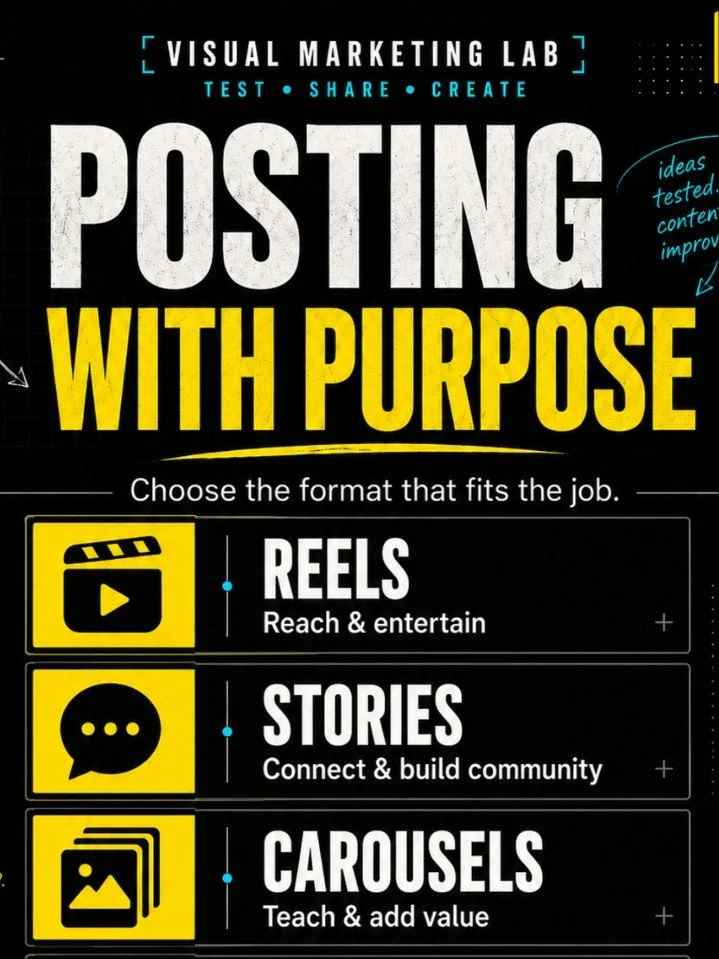
Choose the format according to the job the content needs to do.
For example, take the question:
“How often does our business need new photography?”
That one question could become:
A detailed blog explaining the factors that affect frequency
A short video giving a simple answer
A carousel showing signs that a visual library is outdated
A case study demonstrating how one client uses quarterly shoots
A website FAQ answering the commercial question
An email helping existing clients plan their next shoot
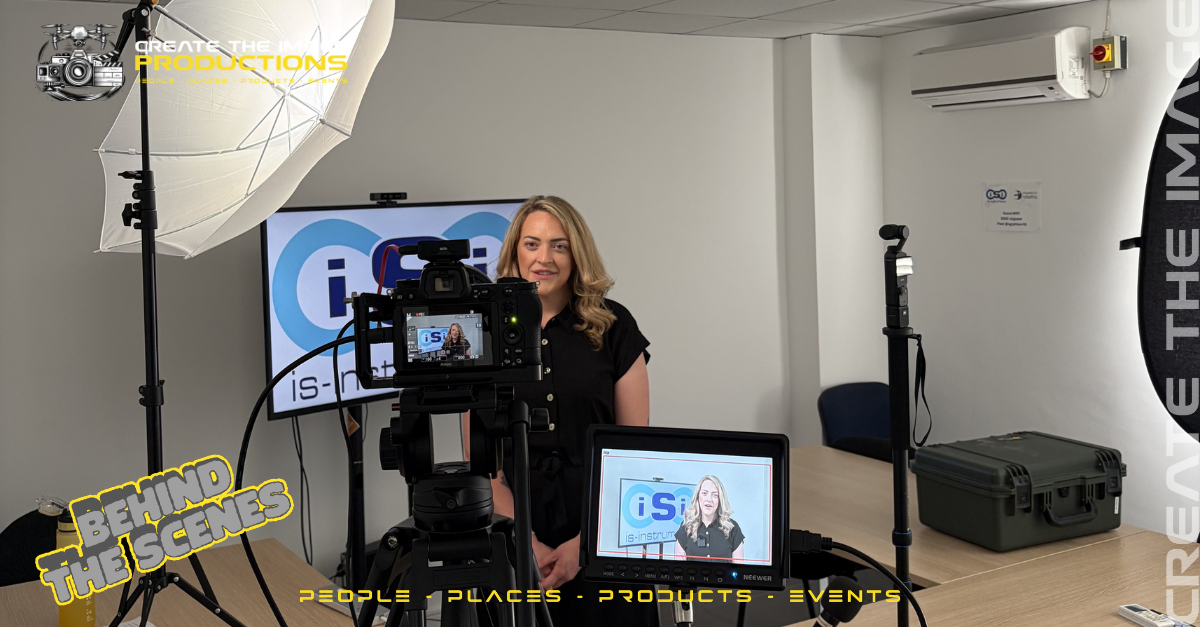
A behind-the-scenes reel showing how a content library is produced
A downloadable photography-planning checklist
This does not mean copying and pasting the same message everywhere.
It means developing one evidence-backed idea through different formats and depths.
The blog can educate.
The video can explain.
The case study can prove.
The photography can reinforce.
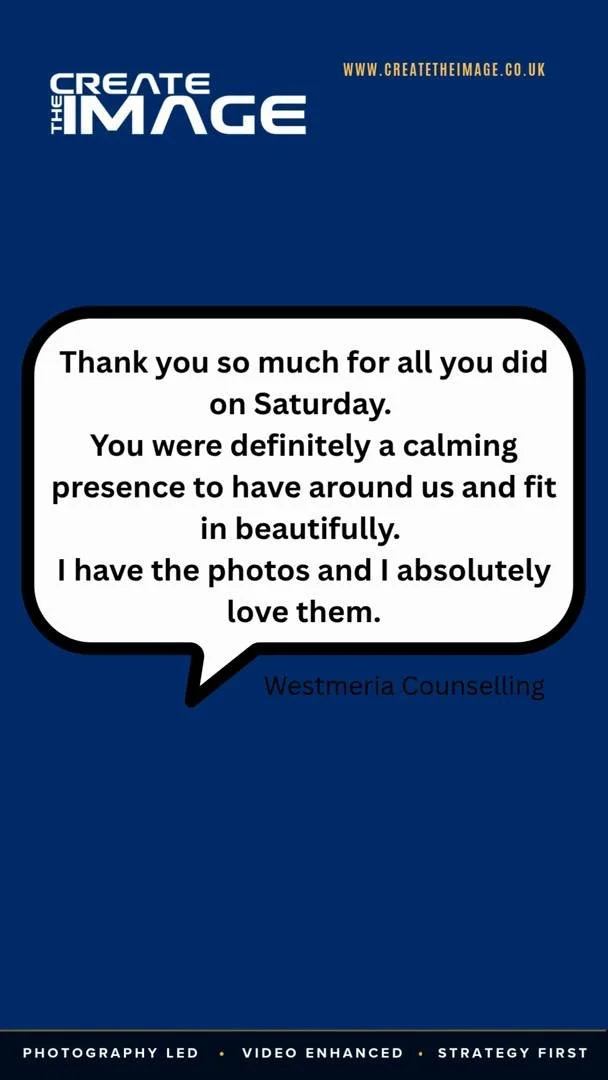
The customer testimonial can build trust.
The call to action can move someone towards the next step.
This is how one real customer question becomes a connected group of marketing assets.
ACT: Put the right content in the right place
Creating the content is only part of the job.
It must then reach the right people at the right point in their journey.
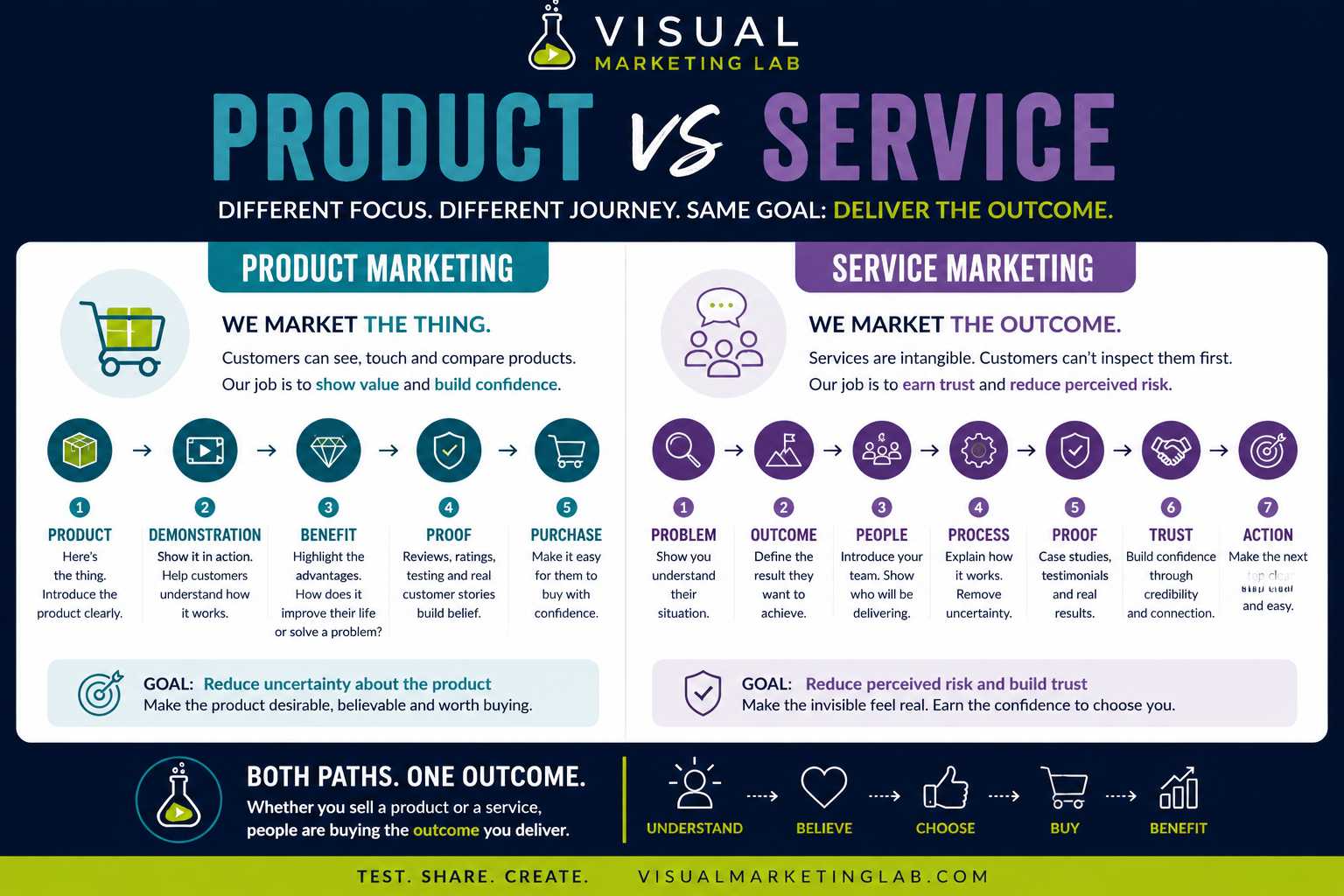
Someone discovering your business for the first time needs different information from somebody already comparing suppliers.
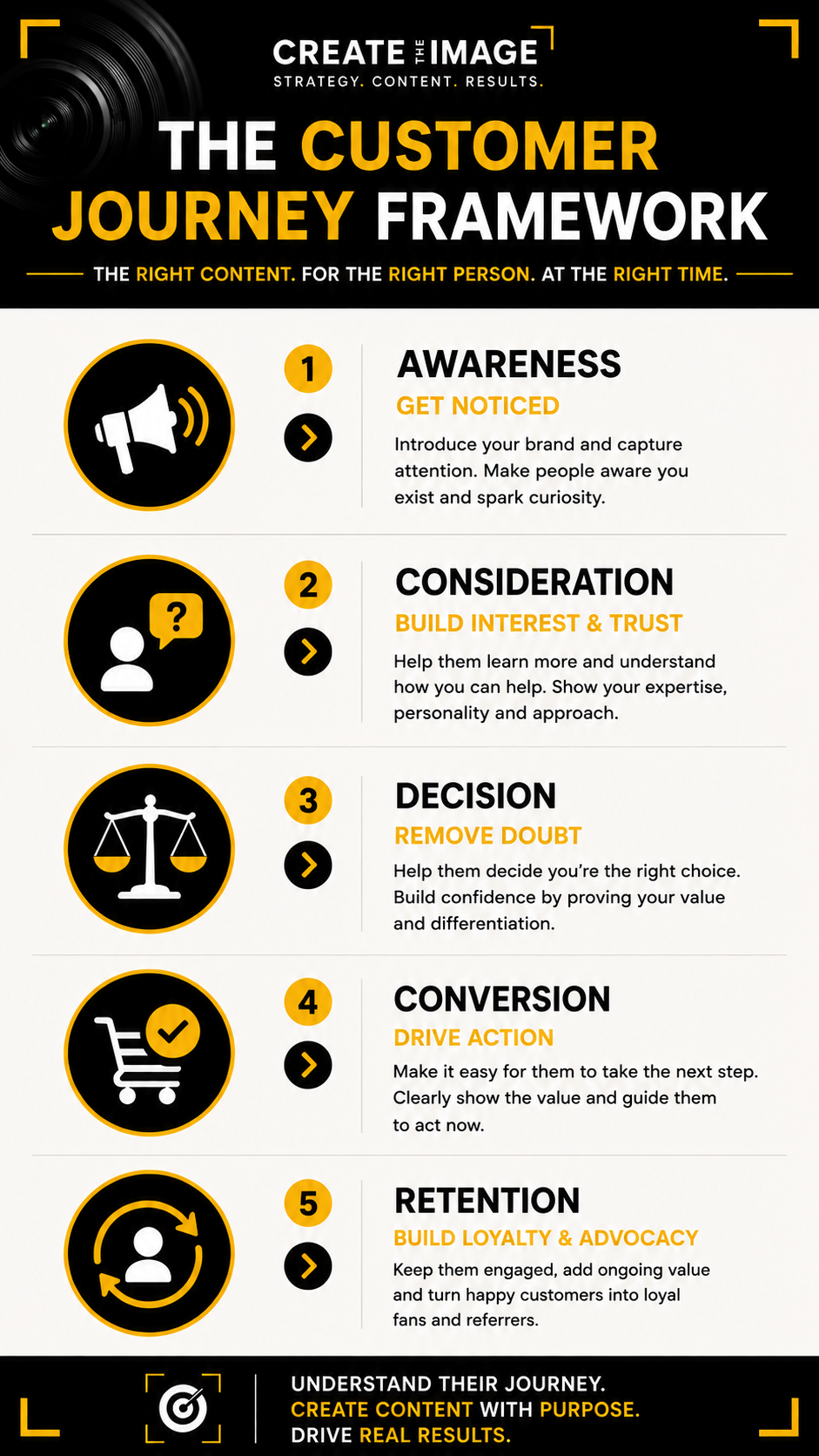
A practical approach is to map content against the customer journey:
Awareness
Help people recognise a problem or opportunity.
Use educational videos, useful social posts, visual experiments and accessible insights.
Consideration
Help people understand their options.
Use blogs, guides, comparisons, FAQs and process videos.
Decision
Reduce risk and make the choice feel credible.
Use case studies, testimonials, examples, team content and proof of results.
Conversion
Make the next action clear and straightforward.
Use focused service pages, proposals, booking links and direct calls to action.
Retention
Help customers get more value and remain connected.
Use follow-up guidance, client emails, new ideas, usage suggestions and review conversations.
The same customer question can sometimes support several stages.
A short reel might introduce the issue. A blog could explore it properly. A case study could prove your approach. A service page could then provide the next step.
That is a content journey rather than an isolated post.

Publishing is not the end of the process.
It gives you another source of evidence.
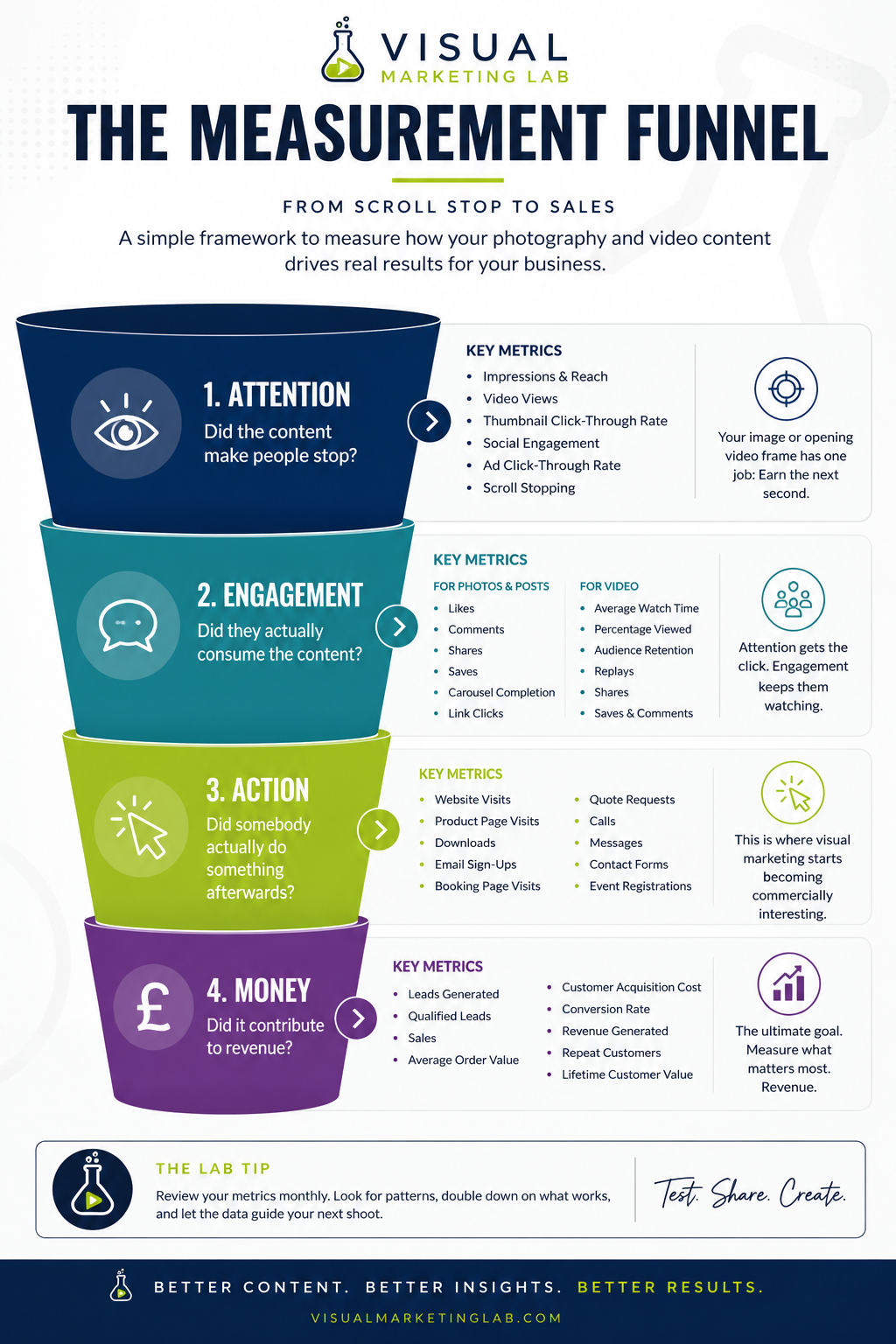
Review more than likes and impressions. Look for signs that the content helped someone understand, trust or act.
Useful indicators include:
Relevant website visits
Time spent reading or watching
Video completion
Saves and shares
Replies and direct messages
Enquiries mentioning the content
Better-informed sales conversations
Reduced repetition of common questions
Leads moving to the next stage
Customers using the content to explain your offer internally
Numbers tell you what happened. Conversations can help explain why.
If an article attracts traffic but no enquiries, the subject may be useful while the next step is unclear.
If a video receives fewer views but generates two relevant conversations, it may be more commercially valuable than a widely viewed reel.
If a customer asks a new question after reading your blog, that question becomes the beginning of the next PLAN stage.
That is why the system is a loop:
PLAN → CREATE → ACT → REVIEW → PLAN again
How one question becomes 20 content ideas
Choose one important customer question and explore it through these 20 angles:
Give the short answer.
Give the detailed answer.
Explain the biggest misconception.
Show the process.
Show the people behind the process.
Share a customer example.
Create a before-and-after comparison.
Explain the cost.
Explain the value.
Explain what affects the result.
Share the most common mistake.
Compare two possible approaches.
Create a checklist.
Answer the follow-up question.
Address the strongest objection.
Show behind-the-scenes evidence.
Share a customer testimonial.
Explain how to measure success.
Explain the best next step.
Review what happened after the advice was used.
You do not need to publish all 20 versions.
The list shows how much useful content can be extracted from one genuine audience insight before you need to invent another subject.
The five-source Content Evidence Audit
Set aside 30 minutes and review these five places:
1. Sales conversations
Write down the questions prospects ask before agreeing to buy.
Look particularly for repeated questions about price, process, risk, timing and expected results.
2. Customer emails and messages
Look for requests for help, clarification and advice.
The language customers use is often more useful than the language businesses create in marketing meetings.
3. Reviews and testimonials
Identify the benefits customers mention without being prompted.
What they praise may differ from what you currently promote.
4. Website and search data
Review popular pages, internal searches, search terms and frequently visited services.
This helps reveal what people are actively trying to understand.
5. Lost opportunities and objections
Look at why people delayed, declined or selected another option.
The reasons people do not buy can produce some of your most commercially useful content.
For each source, record:
The exact words used
The problem or question underneath them
The customer-journey stage
The best content format
The next action you want the audience to take
Aim to collect four useful insights from each source.
Five sources multiplied by four insights gives you your next 20 evidence-led content ideas.
Content should create clarity
Your audience does not need your business to publish more for the sake of it.
They need you to make something clearer.
They need help understanding their problem, evaluating their options, reducing uncertainty and deciding what to do next.
That is the real value of strategy-first content.
Before asking, “What should we post?”, look inside the business.
Listen to the questions.
Find the evidence.
Plan what will help.
Create the right assets.
Put them into action.
Review what happens.
Your next 20 content ideas are probably already there. You just need to notice them.
Source and further reading: How To Turn Your Audience Data Into Content Gold — Content Marketing Institute, 26 August 2026.





The Aim Of Create The Image
Become the UK’s most trusted strategy-first visual marketing partner
Trusted by 100’s of businesses for
Strategy First Marketing
Creating Scroll-Stopping Content
Visual Marketing That Works
Testing Better Marketing