

What's Our Camera Setup for Filming Testimonial Videos?
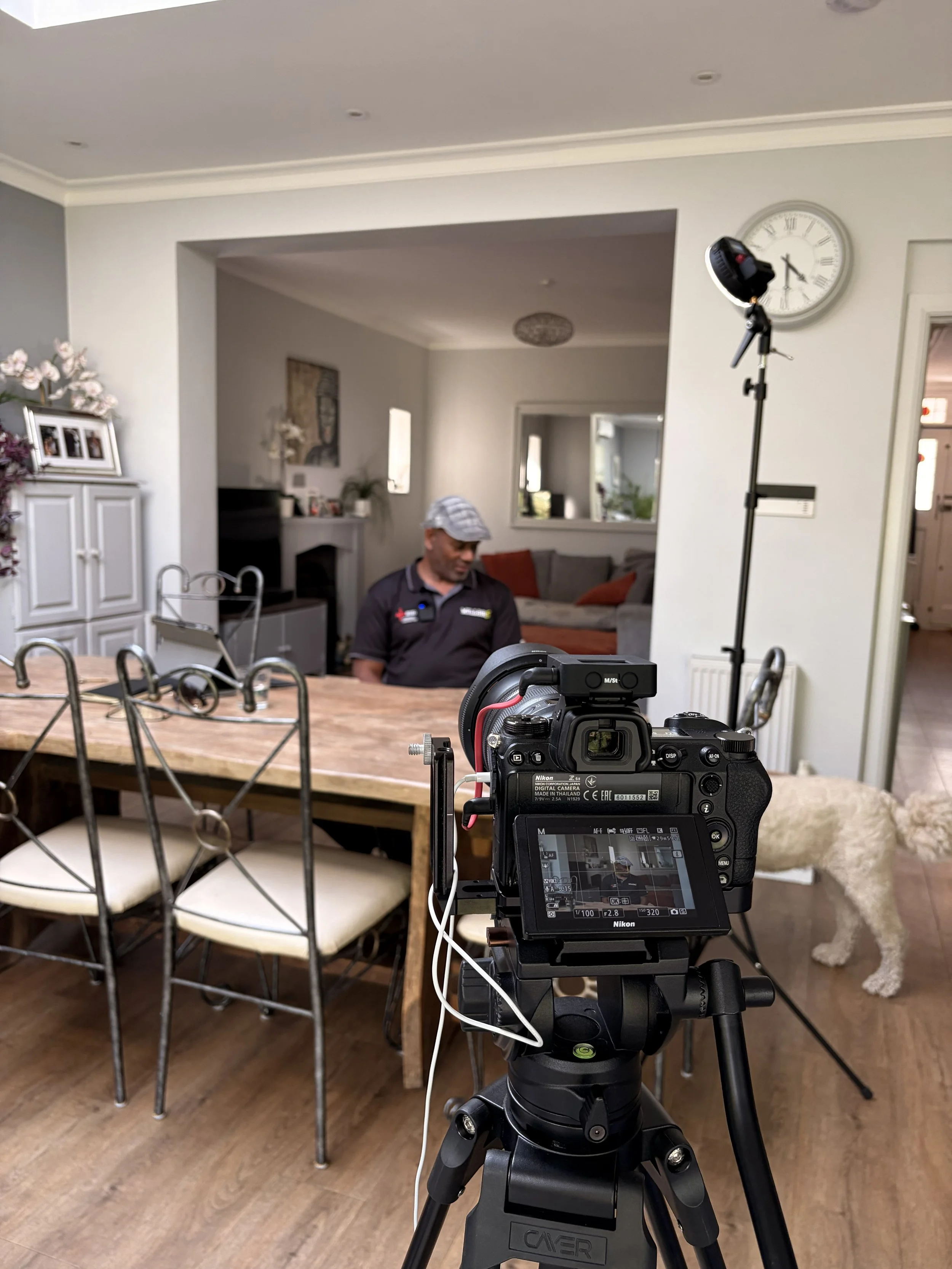
Visual Marketing Lab Insight #0002
If you've ever wondered what actually goes into filming a great testimonial video...
...this is your behind-the-scenes pass.
One of the biggest misconceptions we hear is that creating a testimonial is all about having the most expensive camera.
It isn't.
The camera matters, of course, but the real magic happens when you combine the right equipment with the right questions, the right environment and, most importantly, making people feel comfortable enough to tell their story.
Our job isn't to help someone remember a script.
It's to help them remember how they felt.
Because that's where the best testimonials come from.
It's Never About the Camera...
Before we even unpack our kit, we're already thinking about the finished video.
Where will it be used?
Will it live on the client's website?
Will we be creating social media clips?
Do they need a longer case study?
Could this become part of a sales presentation?
Every decision we make on set starts with the end result in mind.
Our Typical Testimonial Setup
For most businesses, we use a simple but highly effective setup.
One interview.
One camera.
Supporting B-roll footage.
It sounds simple...
...because it is.
Simple is often what creates the best results.
The person speaking doesn't feel overwhelmed, the setup feels less intimidating and the conversation becomes much more natural.
Why We Rarely Script Testimonials
One thing we never want is someone trying to remember lines.
You can spot it instantly.
Their eyes drift upwards.
They pause.
They overthink every sentence.
Instead, we have a conversation.
We'll ask questions.
We'll encourage stories.
We'll ask them to explain what happened in their own words.
Sometimes we'll ask the same question three different ways.
Not because they got it wrong, but because every answer brings out a slightly different emotion.
That's the difference between a testimonial that sounds rehearsed, and one that genuinely connects with people watching.
People buy from people.
People trust real stories.
Storytelling Comes First
The camera records what happens.
Our job is helping the story unfold naturally.
We're listening for moments like...
"That was the point we realised we'd made the right decision."
"We'd been struggling for months before we found them."
"The results completely surprised us."
Those are the moments that make people stop scrolling.
Not perfectly memorised sentences.
The Camera We Trust
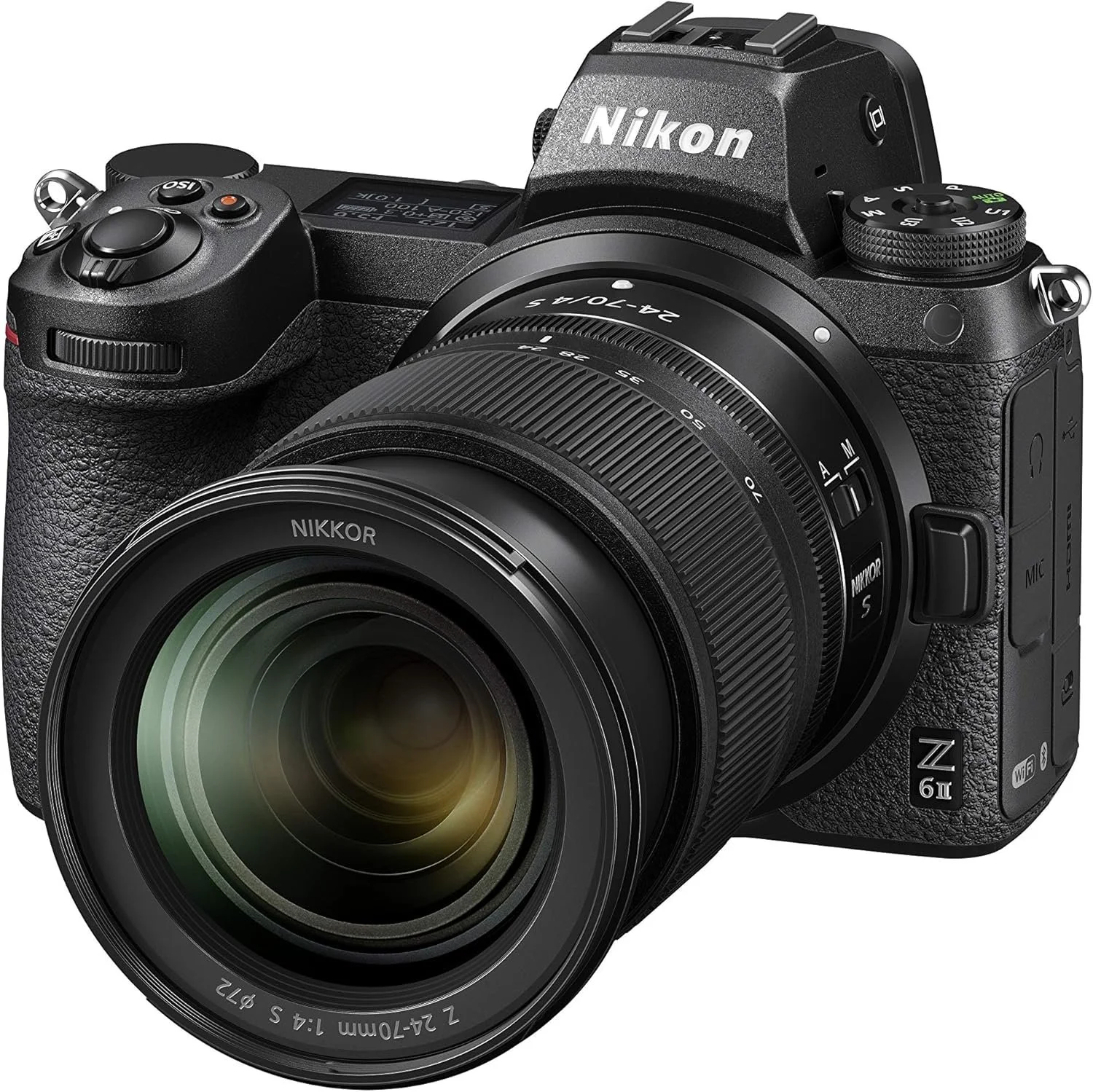
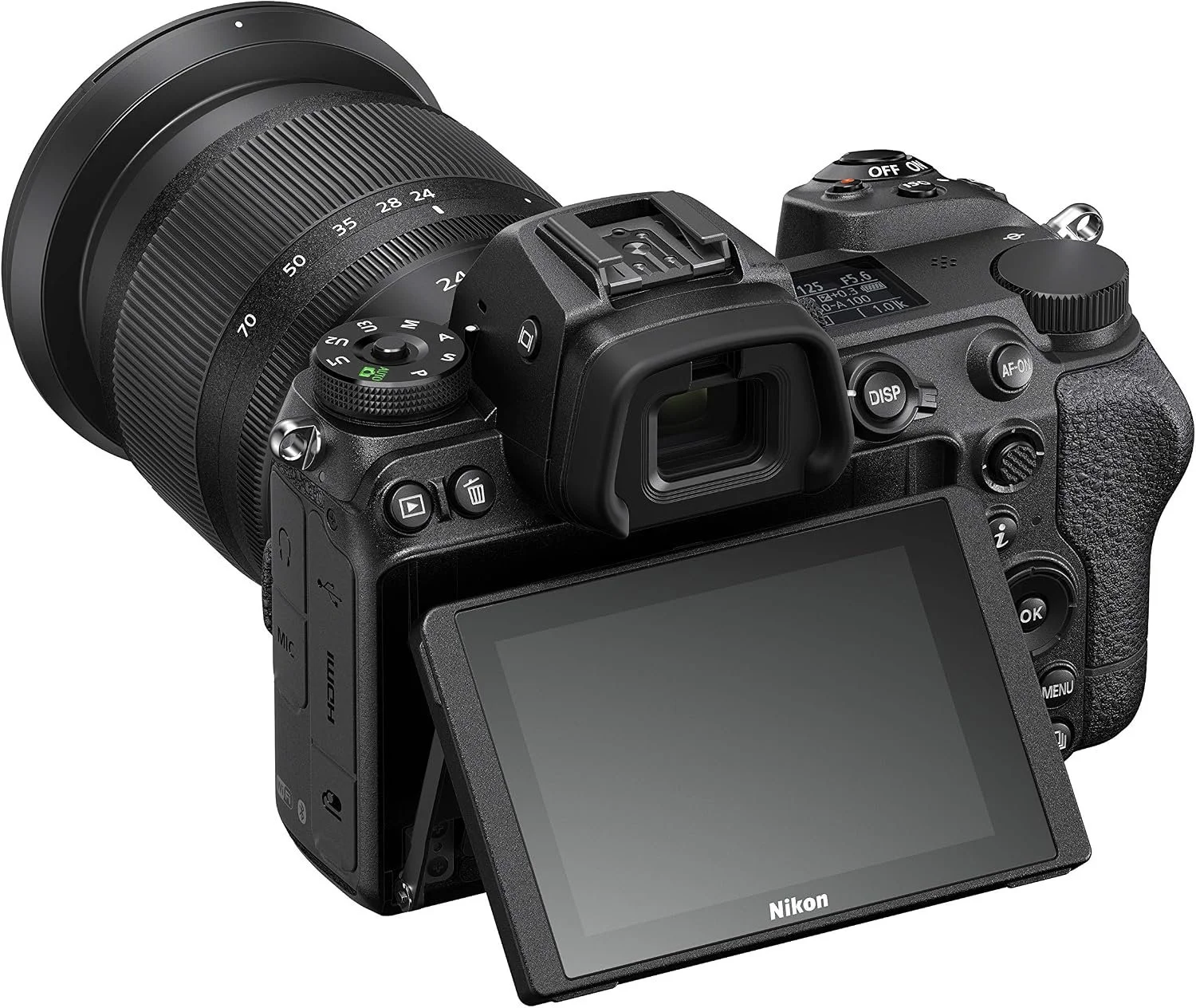
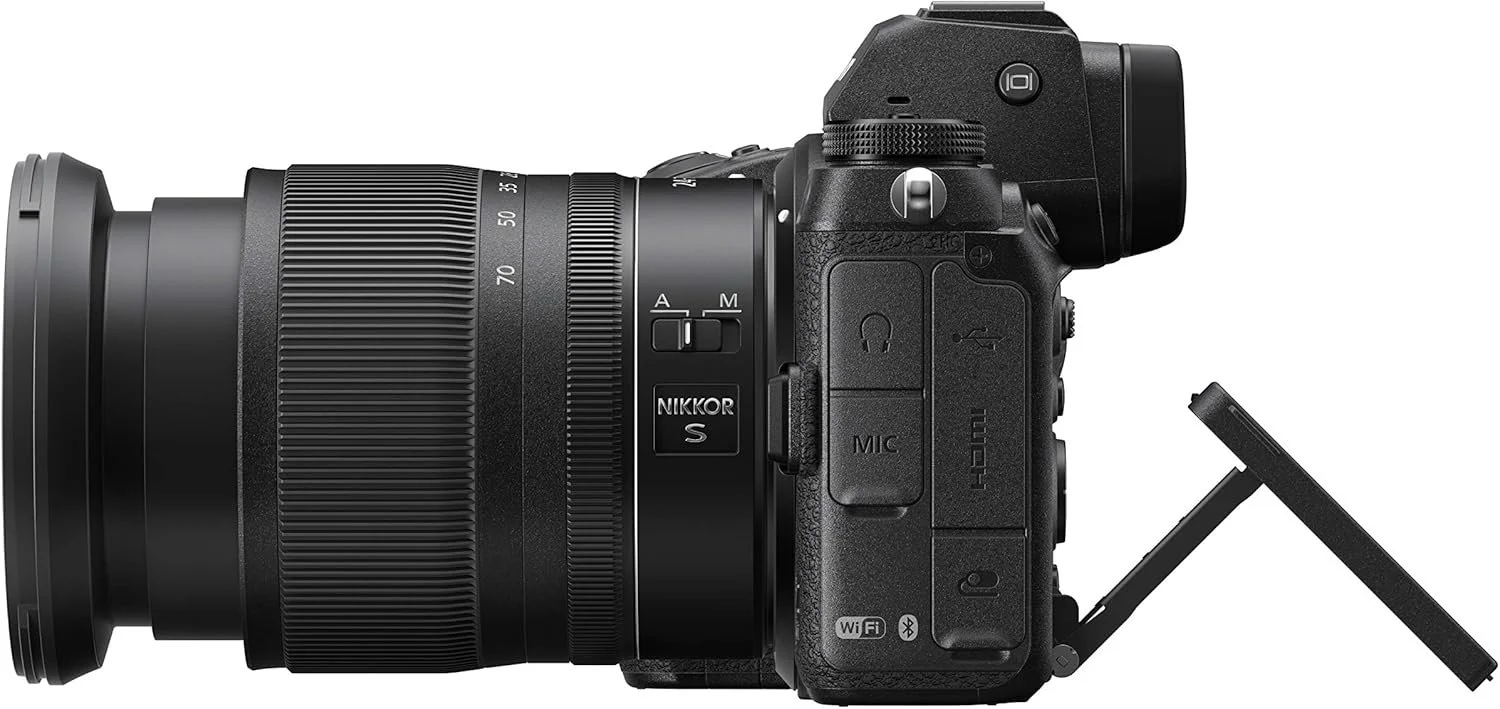
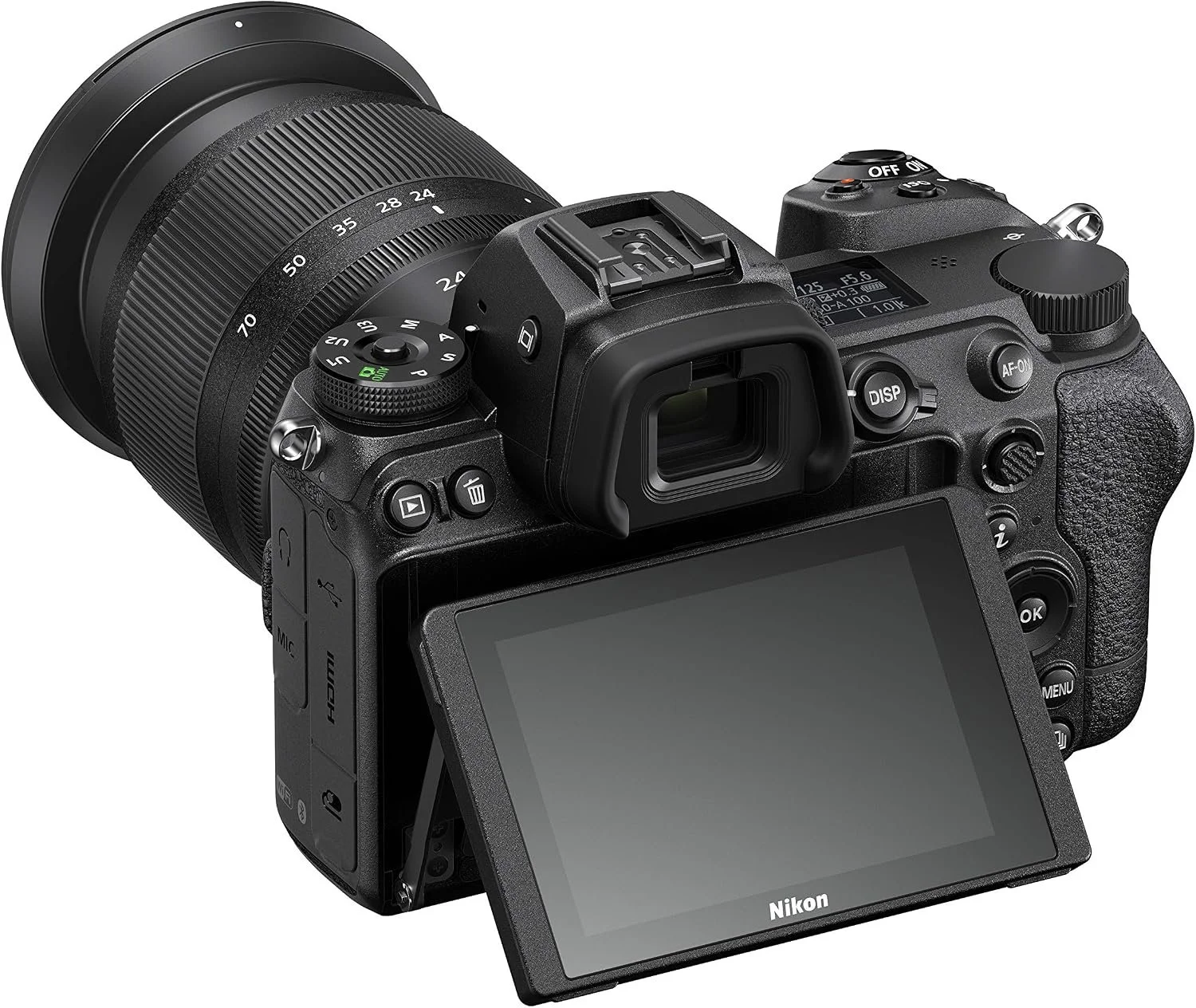
Nikon Z6 II
This has become our go-to camera for testimonial filming.
Why?
Because it produces fantastic image quality, performs brilliantly in different lighting conditions and gives us reliable autofocus so we can concentrate on the conversation instead of constantly worrying about technical settings.
It's a camera that simply gets out of the way and lets us focus on telling the client's story.
Lighting the Interview
Lighting changes everything.
Good lighting doesn't just make someone look better...
It creates mood, depth and professionalism.
One-Light Setup
If we're working in a smaller office or limited space, one light is often all we need.
We'll position a softbox at around a 45-degree angle to the person being interviewed.
This creates gentle shadows across the face, adding shape and making the image feel more natural than lighting someone head-on.
Whenever possible, we'll also use any available window light to add an extra layer of softness.
Simple.
Effective.
Professional.
Two-Light Setup
If space allows, we'll introduce a second light.
The second light is usually used to separate the subject from the background or gently reduce some of the shadows created by the key light.
That little bit of separation helps the interview feel more cinematic and gives the final video much more depth.
Creating Depth
One thing you'll notice in our testimonial videos is that the background isn't usually right behind the speaker.
We like creating space.
We'll move the interviewee away from the wall whenever possible.
This gives us:
Beautiful background blur
Better separation from the environment
A more premium look
Less visual distraction
Small adjustments like this make a huge difference to the finished video.
Why We Usually Film With One Camera
Most of our testimonial shoots use a single camera.
Why?
Because it's efficient, keeps the setup relaxed and works brilliantly when combined with supporting B-roll footage.
While someone is talking about their business, we'll later cut away to footage of:
Their team at work
Customers interacting
Products
Services being delivered
Office life
Details around the workplace
These clips help bring the story to life instead of leaving viewers watching one talking head for three minutes.
Why We Recommend Two Cameras
Although one camera works really well, we often encourage clients to consider adding a second camera.
Why?
Because it gives us another angle during the interview.
That means:
Smoother edits
No awkward jump cuts
More visual variety
Better pacing
It also makes creating short social media clips much easier.
When someone says a fantastic sentence, we can cut between camera angles, making those shorter edits feel much more dynamic and engaging.
If a testimonial is going to become a long term marketing asset, a second camera is usually money well spent.
The Kit We Bring to Every Shoot
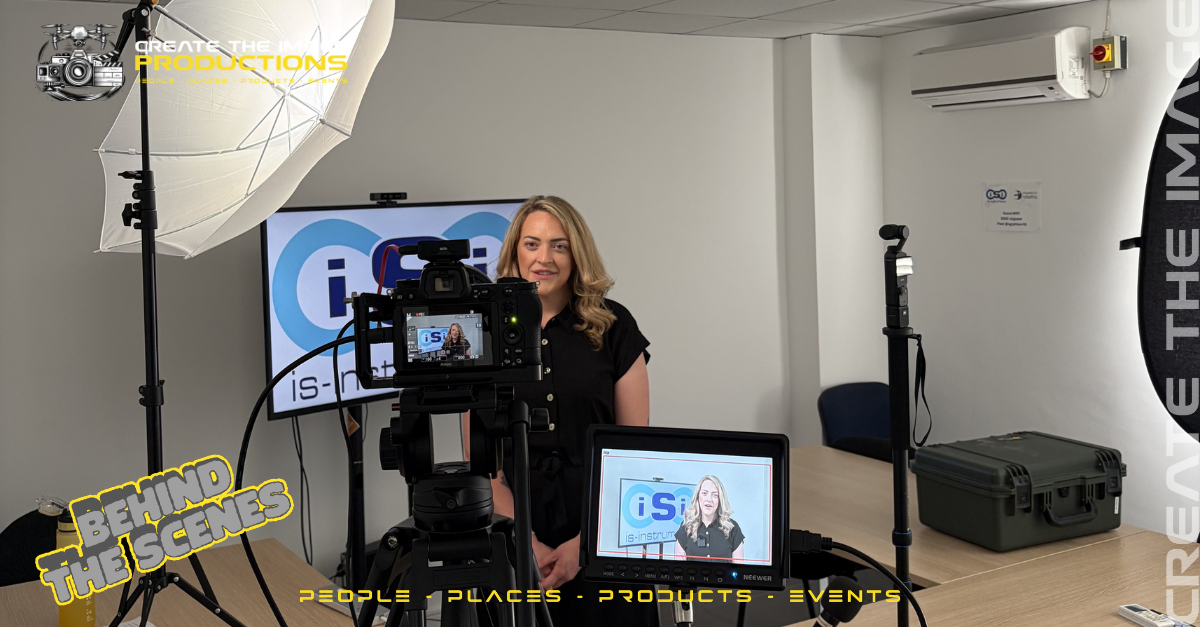
Nikon Z6 II
Our main interview camera, chosen for reliable autofocus, excellent image quality and fantastic low-light performance.
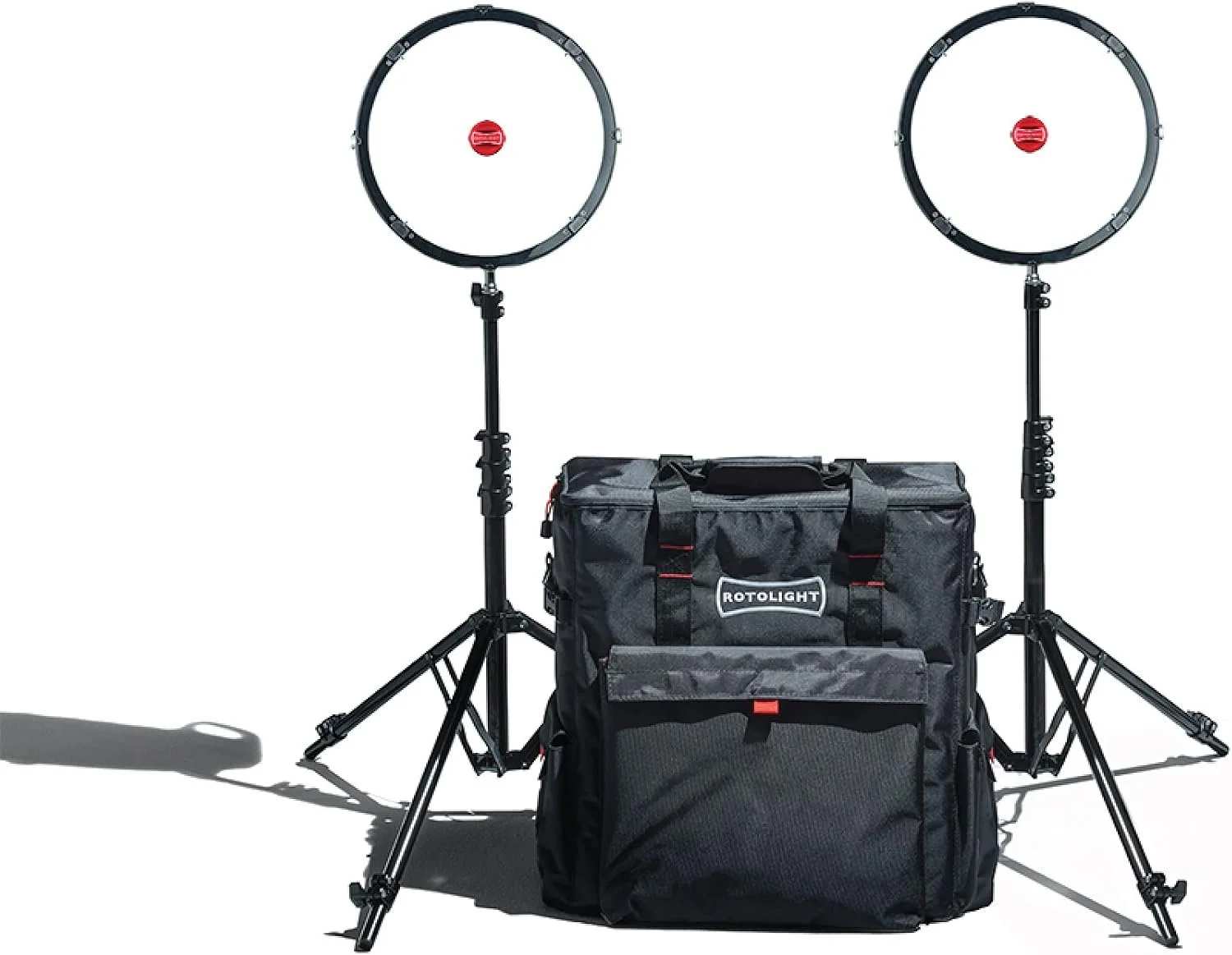
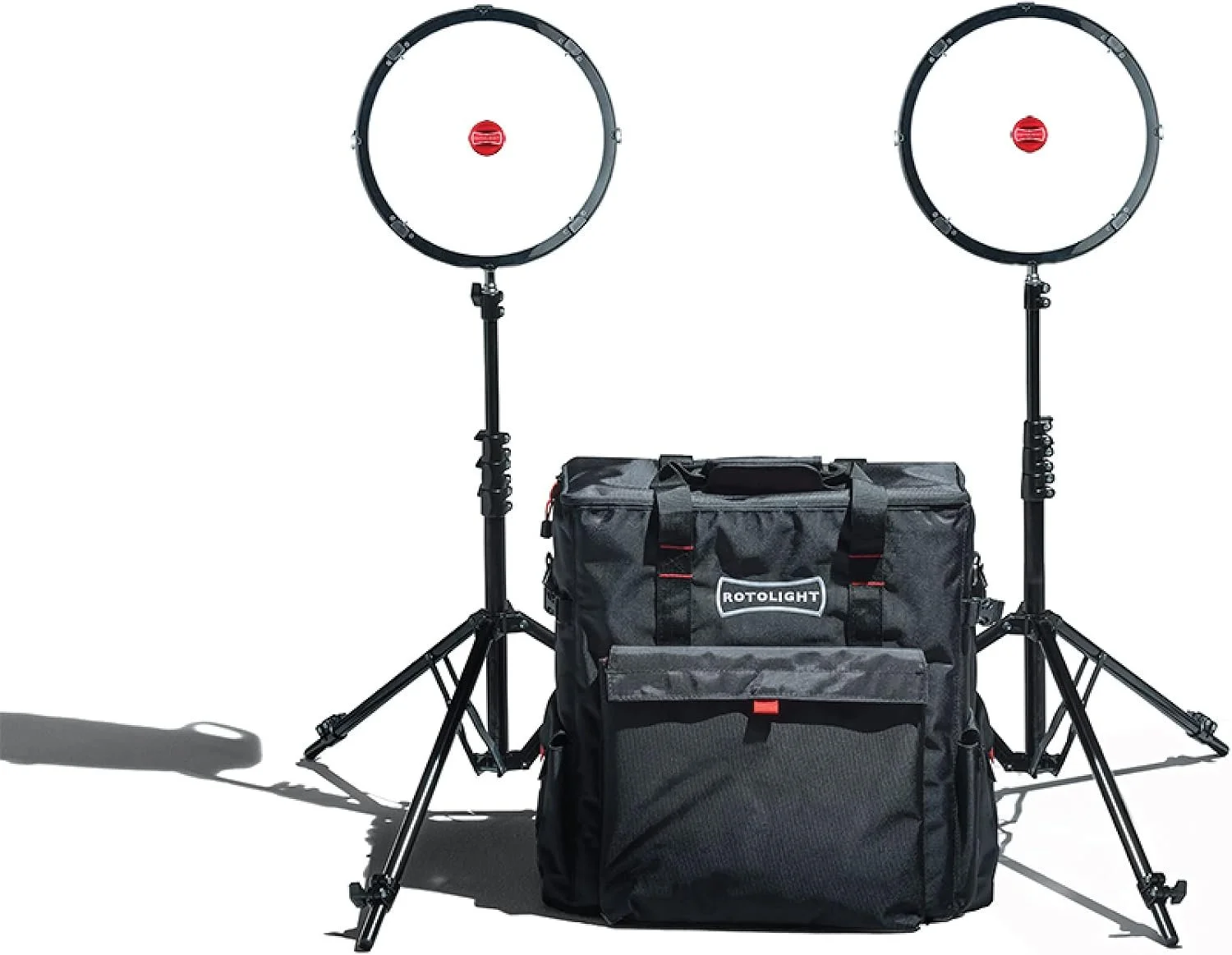
Rotolights
Our primary lighting solution, helping us create clean, flattering light whether we're filming in an office, warehouse or meeting room.
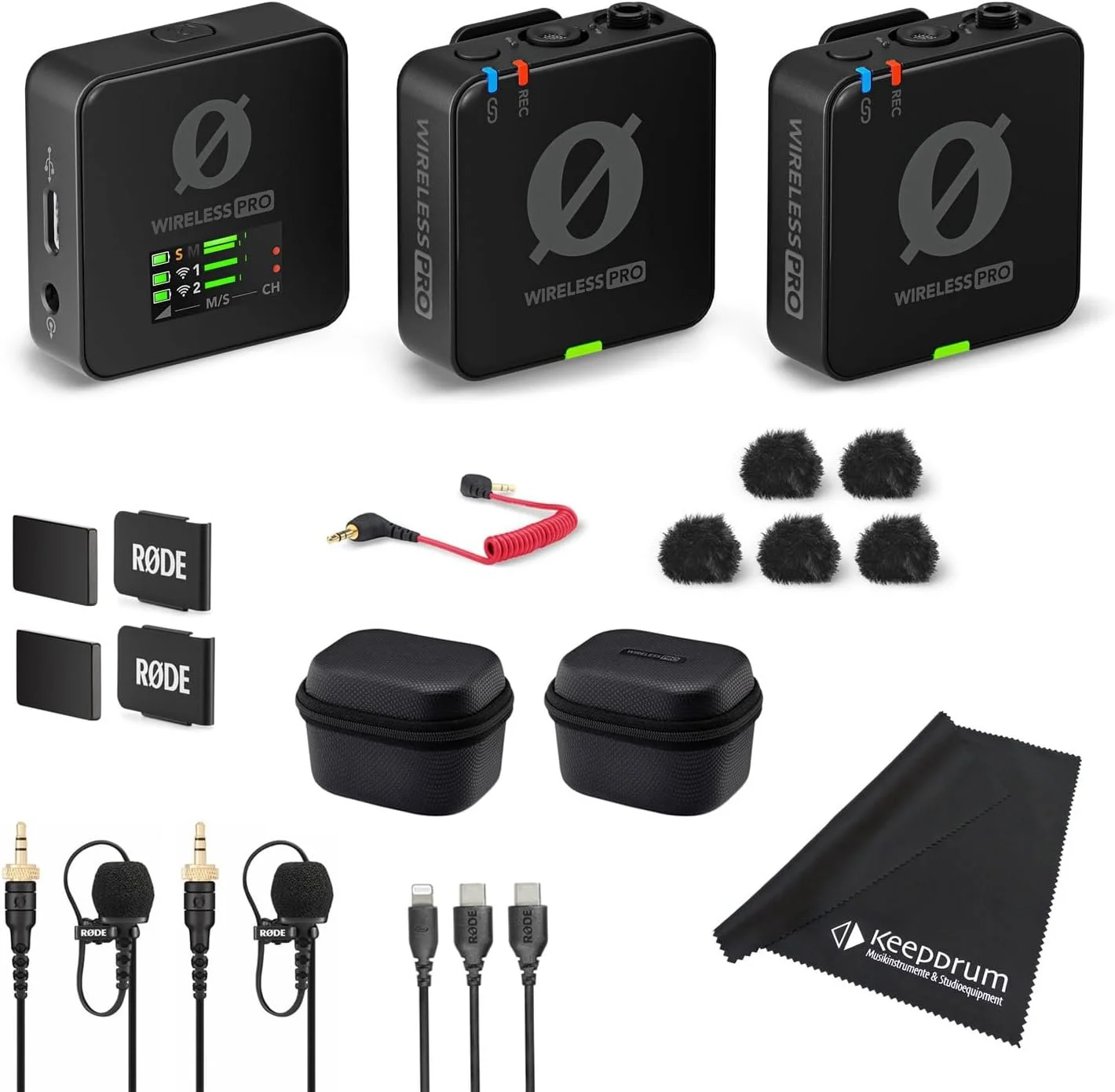
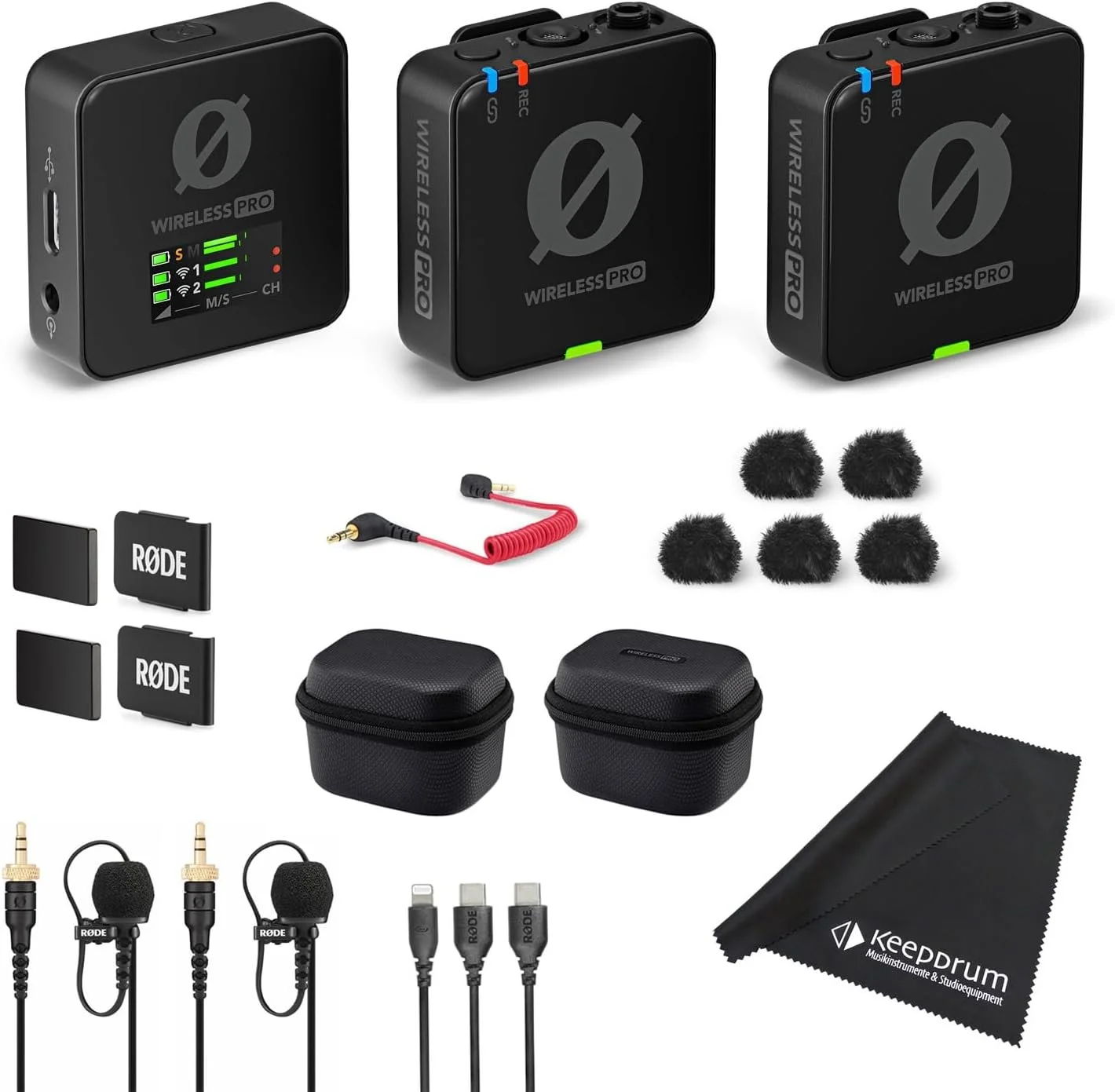
Rode Wireless GO Microphones
Great audio matters just as much as good video.
These wireless microphones capture clear speech while allowing the person speaking to move naturally and forget they're even wearing a microphone.
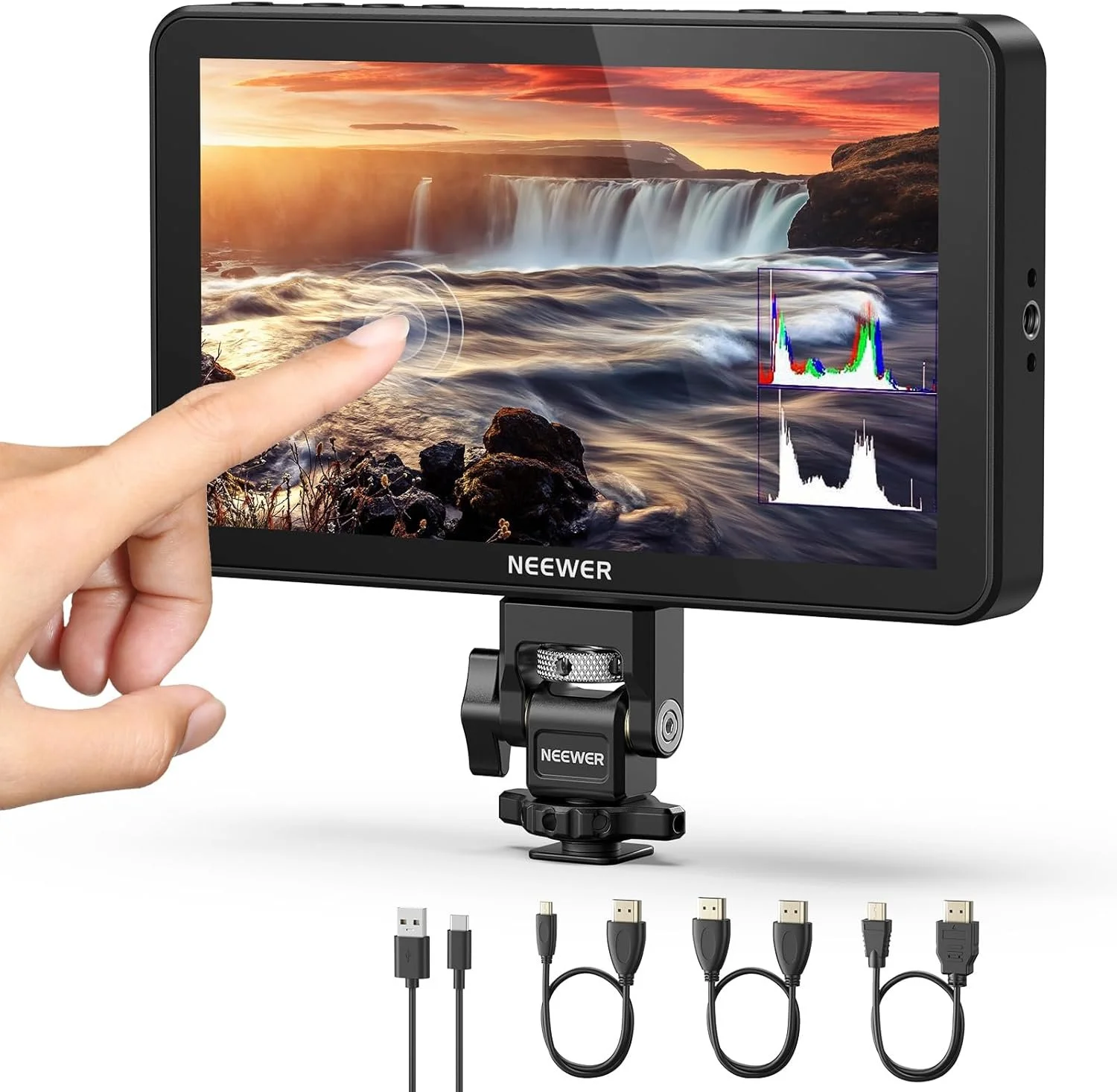
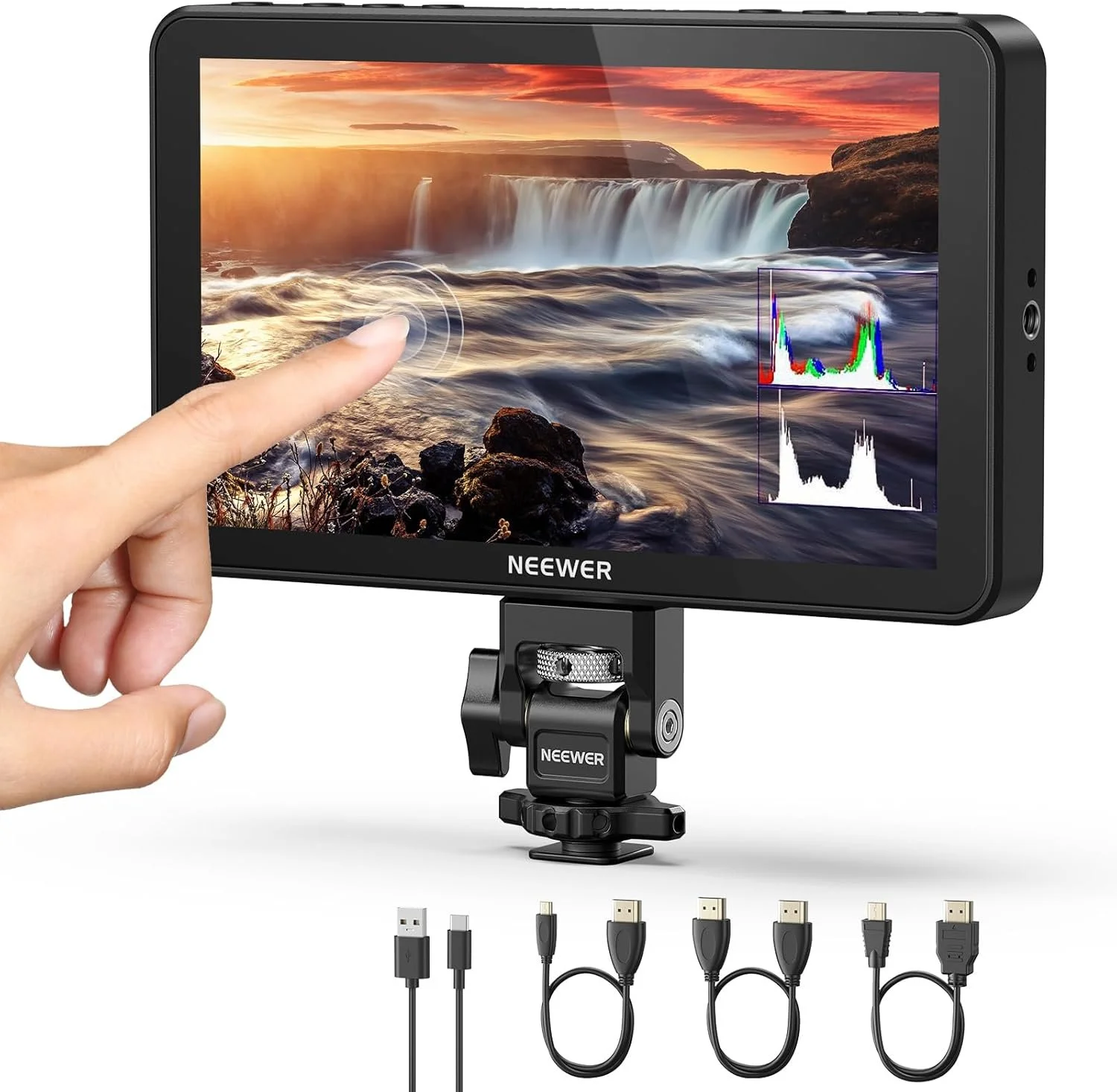
Neewer Video Monitor
A larger monitor lets us check focus, framing and exposure far more accurately than using the camera screen alone.
It also allows clients to quickly see how everything is looking if they'd like reassurance during the shoot.
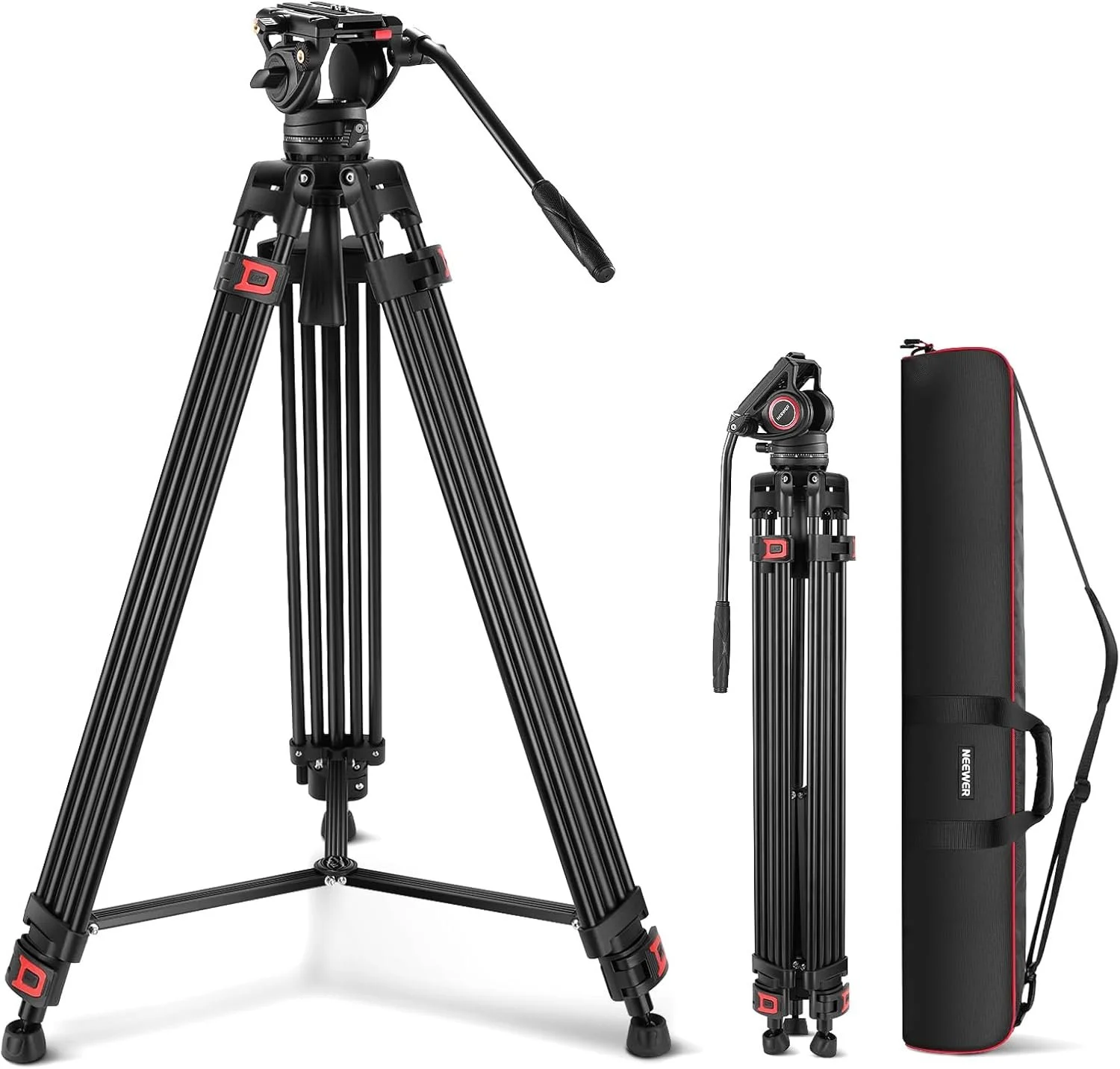
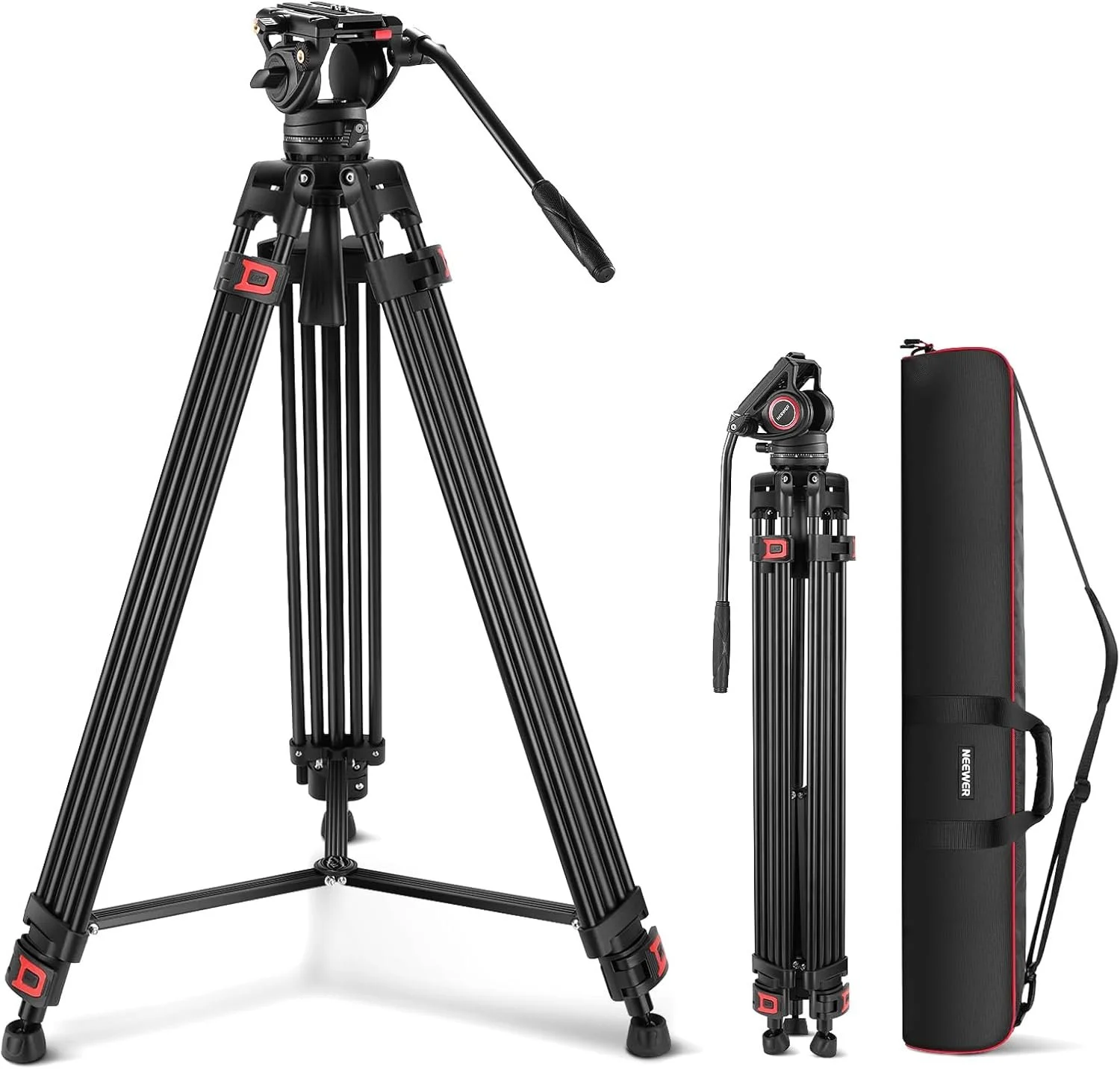
Neewer Pro Video Tripod
Interviews should feel calm and steady.
A sturdy tripod keeps the image locked off, allowing viewers to focus entirely on the story being told.
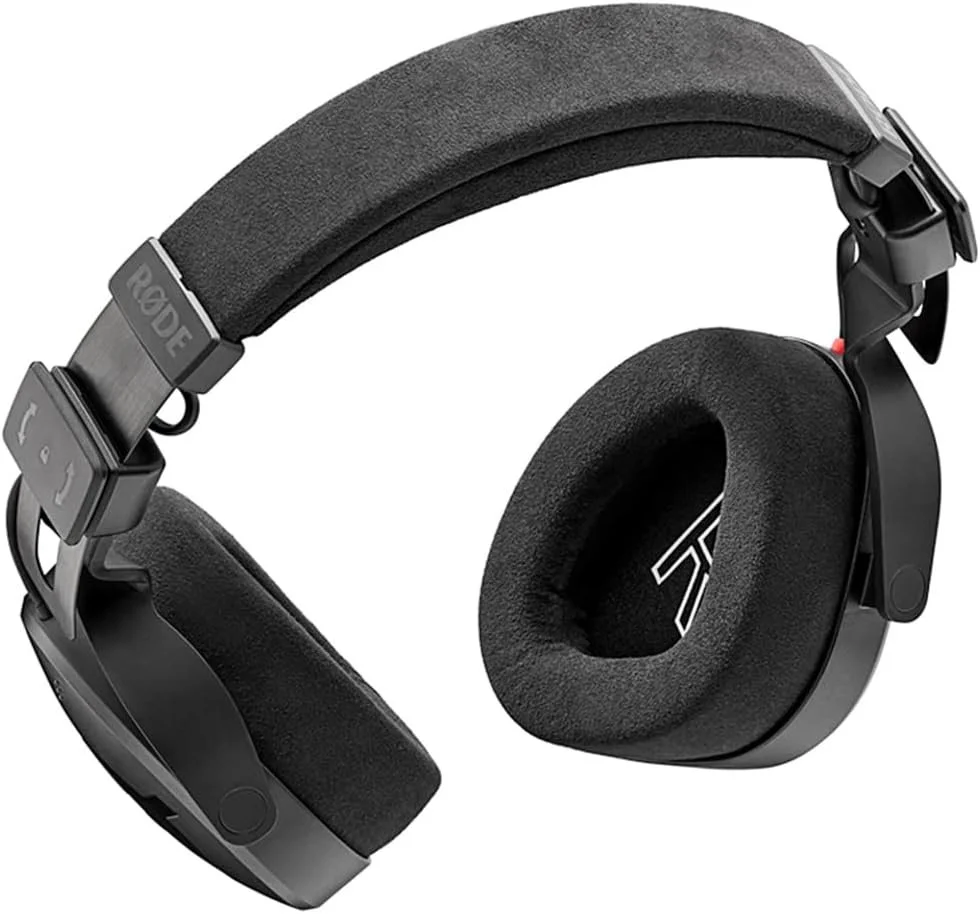
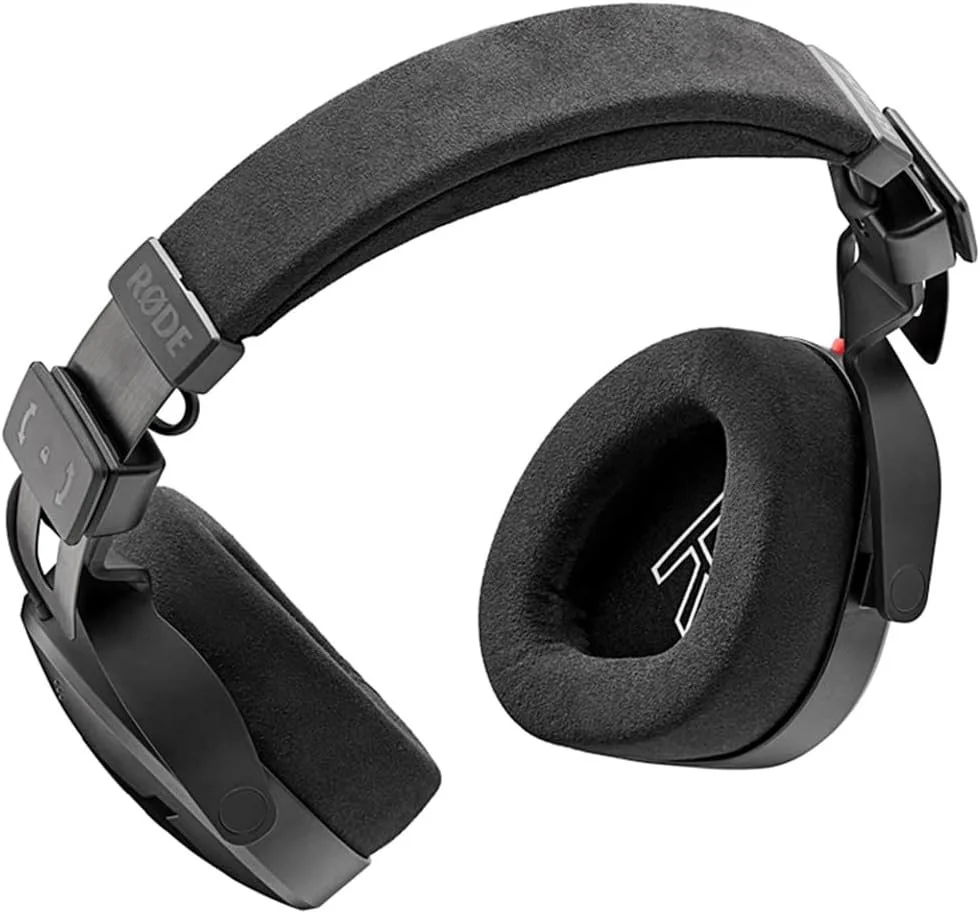
Rode Headphones
We never rely on the camera's audio meter.
Monitoring audio through headphones means we immediately hear any clothing rustle, background noise or microphone issue before it becomes a problem in the edit.
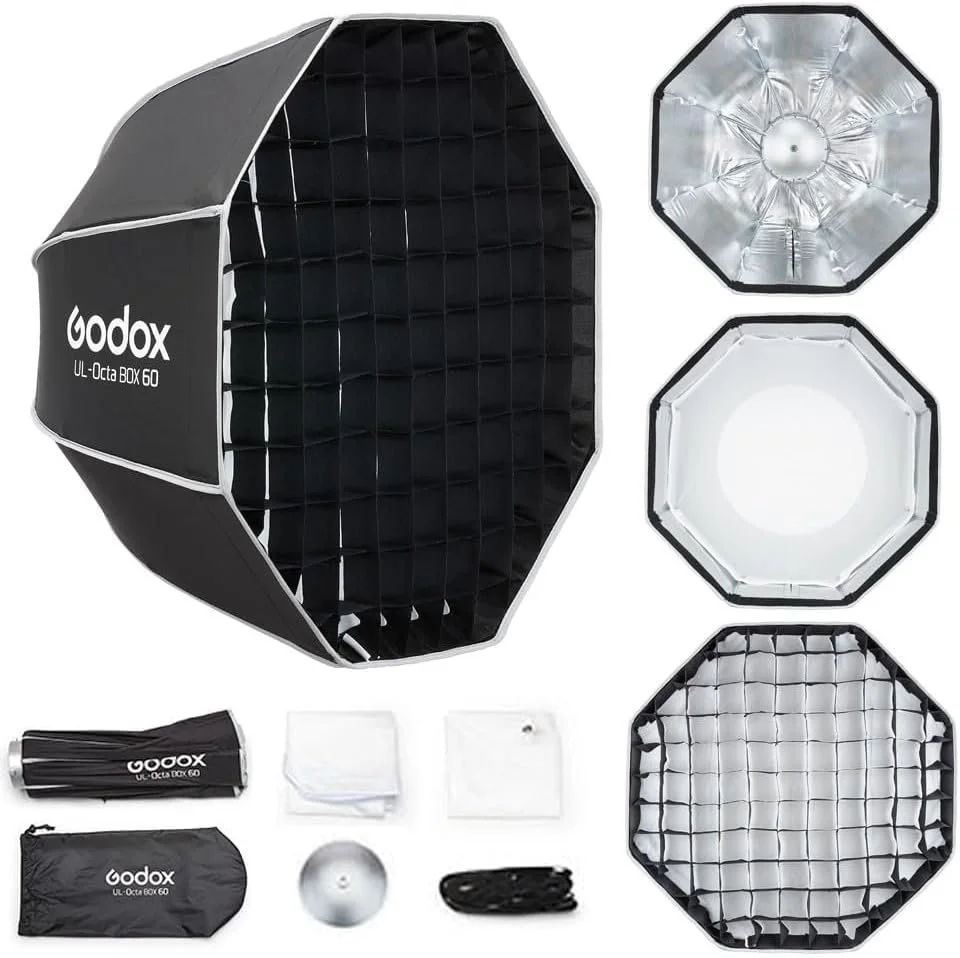
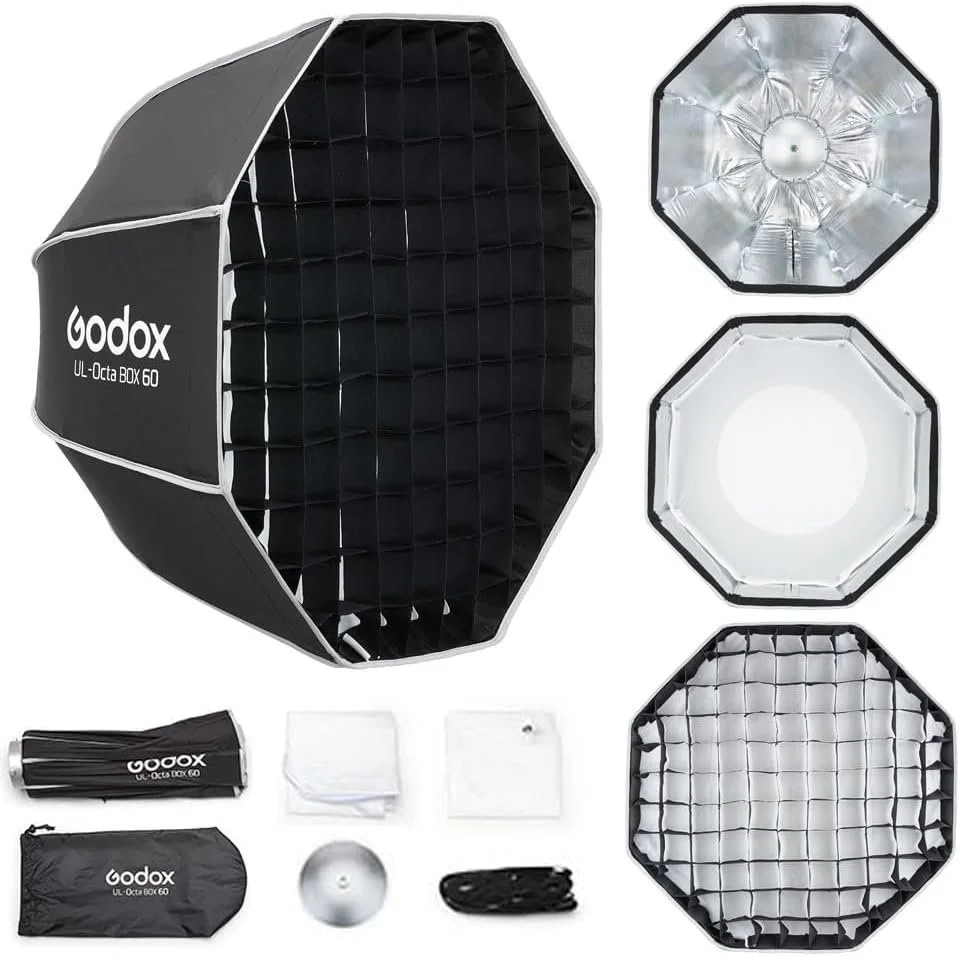
Godox Octa Box 60cm
A softbox transforms a bright LED into beautiful, flattering light.
Rather than harsh shadows, it wraps the light around the subject, creating a much more natural and professional look.
Using a softbox changed the feel of the shoot and for a more dramatic lighting set up, the honeycomb grid really helps to focus the light in a nice way.
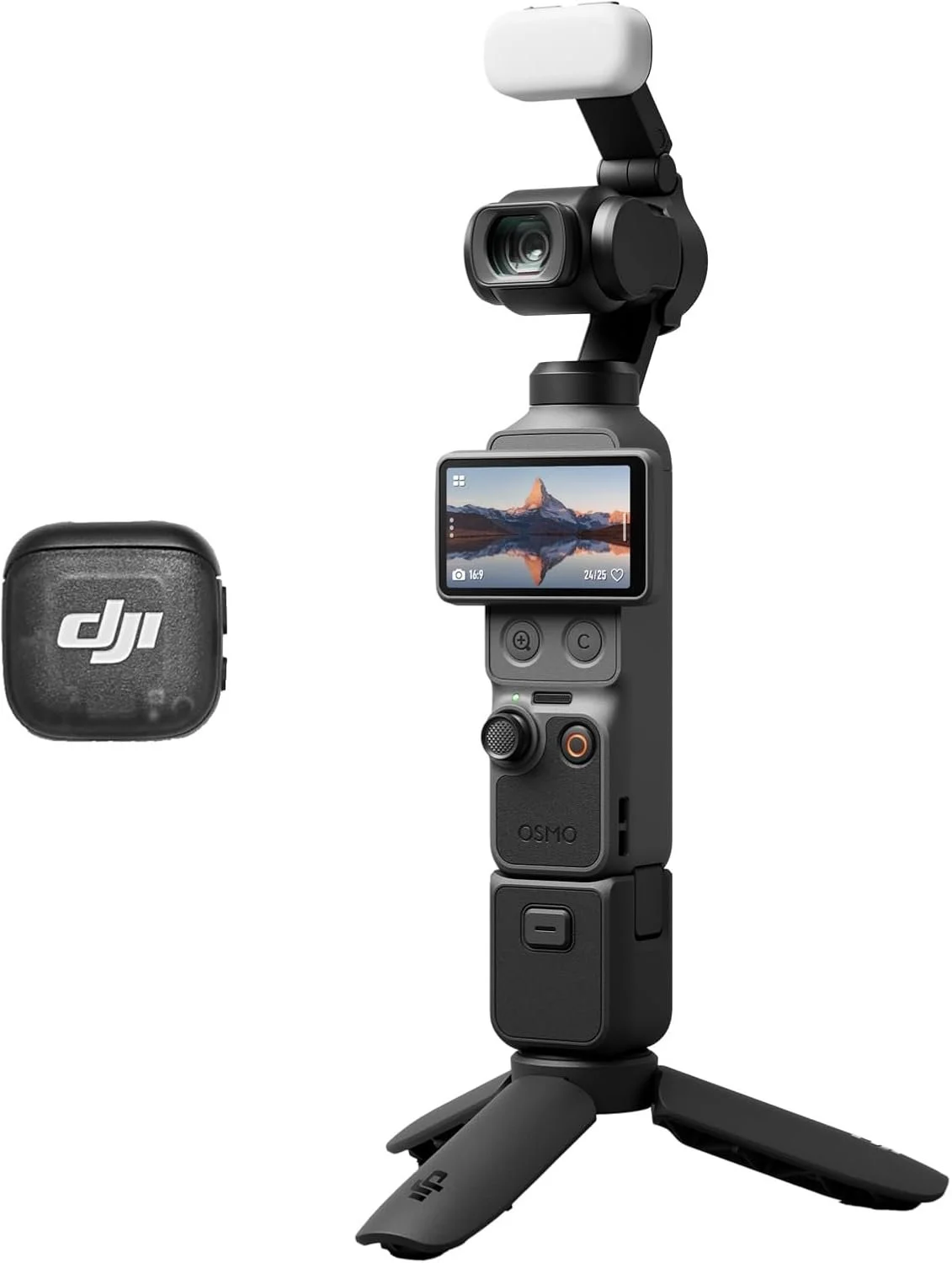
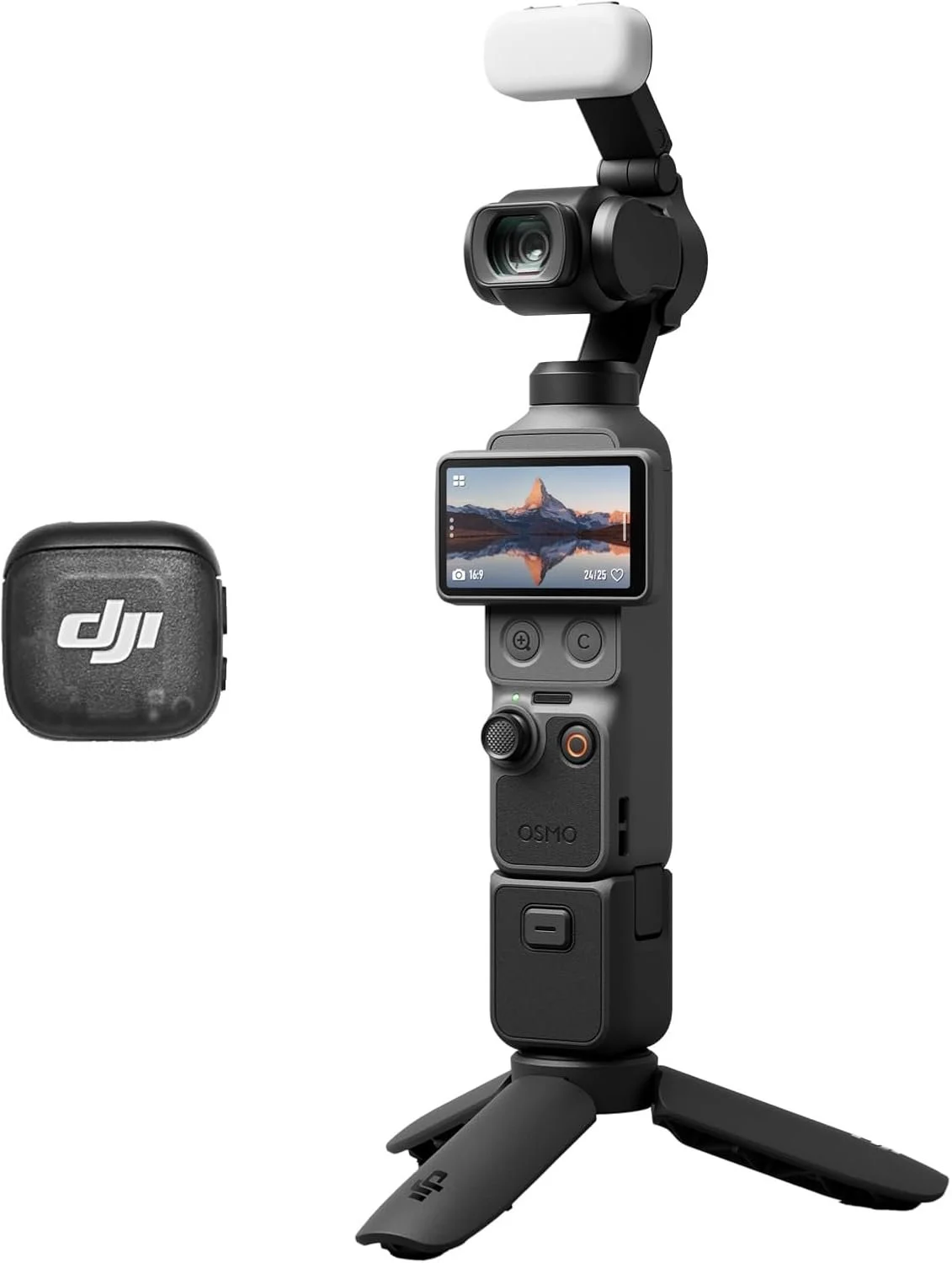
DJI Pocket 4
Perfect for capturing smooth B-roll footage around the business.
We'll use it to film staff working, customer interactions, products, office details and all the visual moments that support the story being told during the interview.
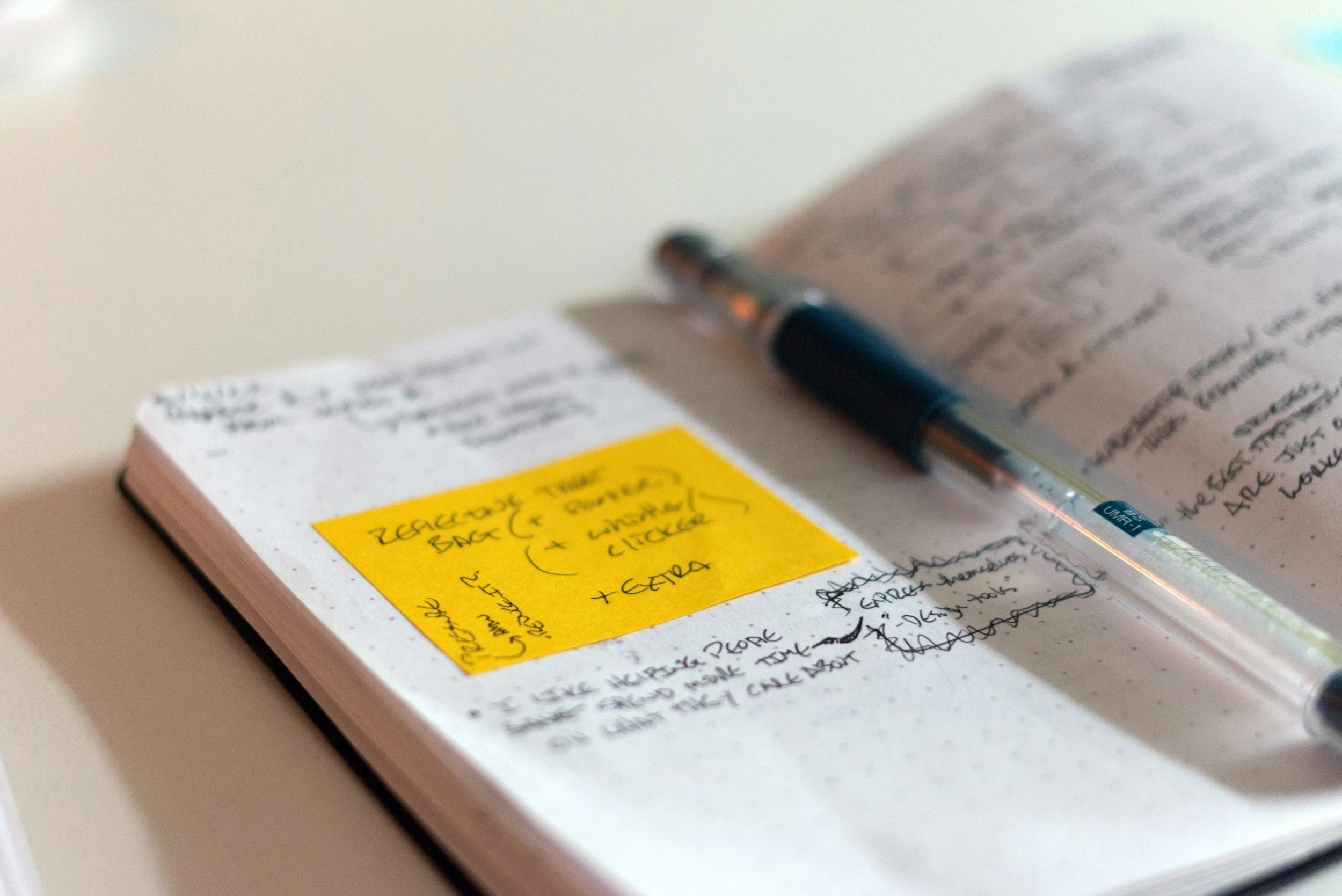
Clients Notes and Key Goals
Probably the most important item we bring.
Before filming, we work with the client to understand the key messages they want the audience to remember.
Rather than scripting answers, these notes help guide the conversation and ensure we capture the stories, emotions and outcomes that matter most.
Our Honest Opinion
The camera isn't what makes a great testimonial.
People do.
Our role is to create an environment where someone feels comfortable enough to tell their story honestly.
The lights help.
The sound quality helps.
The cameras help.
But if someone leaves the shoot saying...
"That felt more like a conversation than an interview."
Then we've done our job.
Because the best testimonial videos don't feel like marketing.
They feel like someone sharing an experience that genuinely mattered.
And that's exactly the kind of story people remember.
Behind Every Great Testimonial
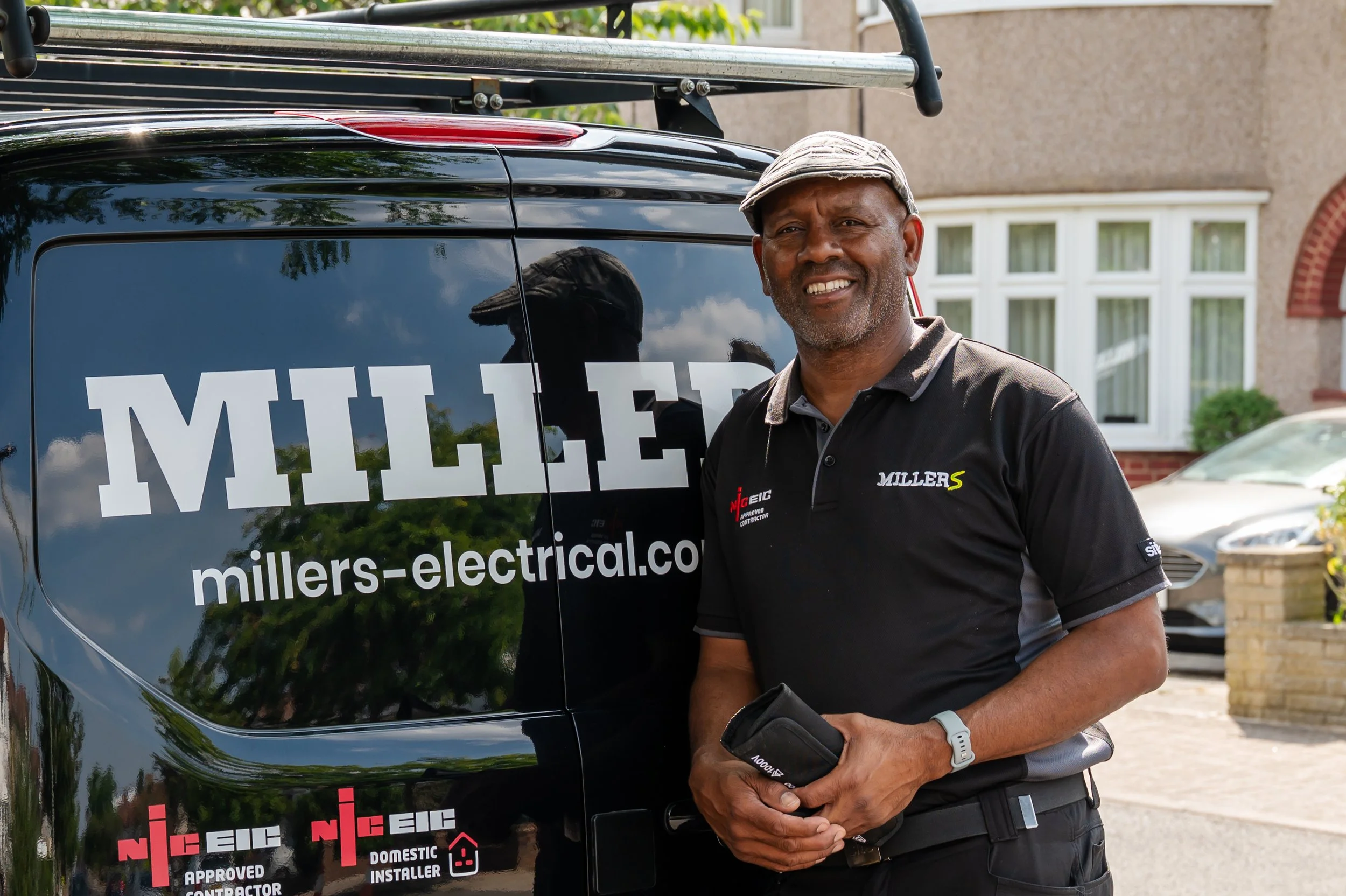
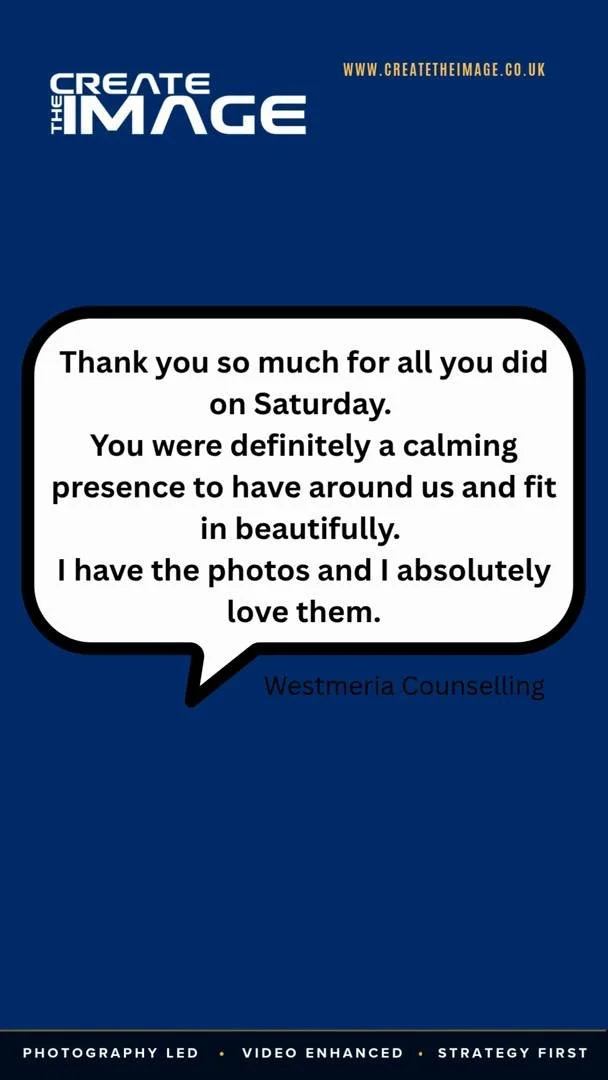
Great testimonial videos aren't about reading a script or saying the "perfect" thing.
They're about real people, real experiences and real emotion.
When we create testimonial videos, every decision, from where we place the lights to which camera angle we choose, is made with one goal in mind:
Helping businesses tell authentic stories that build trust, inspire confidence and encourage the next customer to take action.
The Aim Of Create The Image
Become the UK’s most trusted strategy-first visual marketing partner
Trusted by 100’s of businesses for
Strategy First Marketing
Creating Scroll-Stopping Content
Visual Marketing That Works
Testing Better Marketing