

Where Do You Actually Need Horizontal vs Vertical Content? (The Complete Guide for Small Businesses)
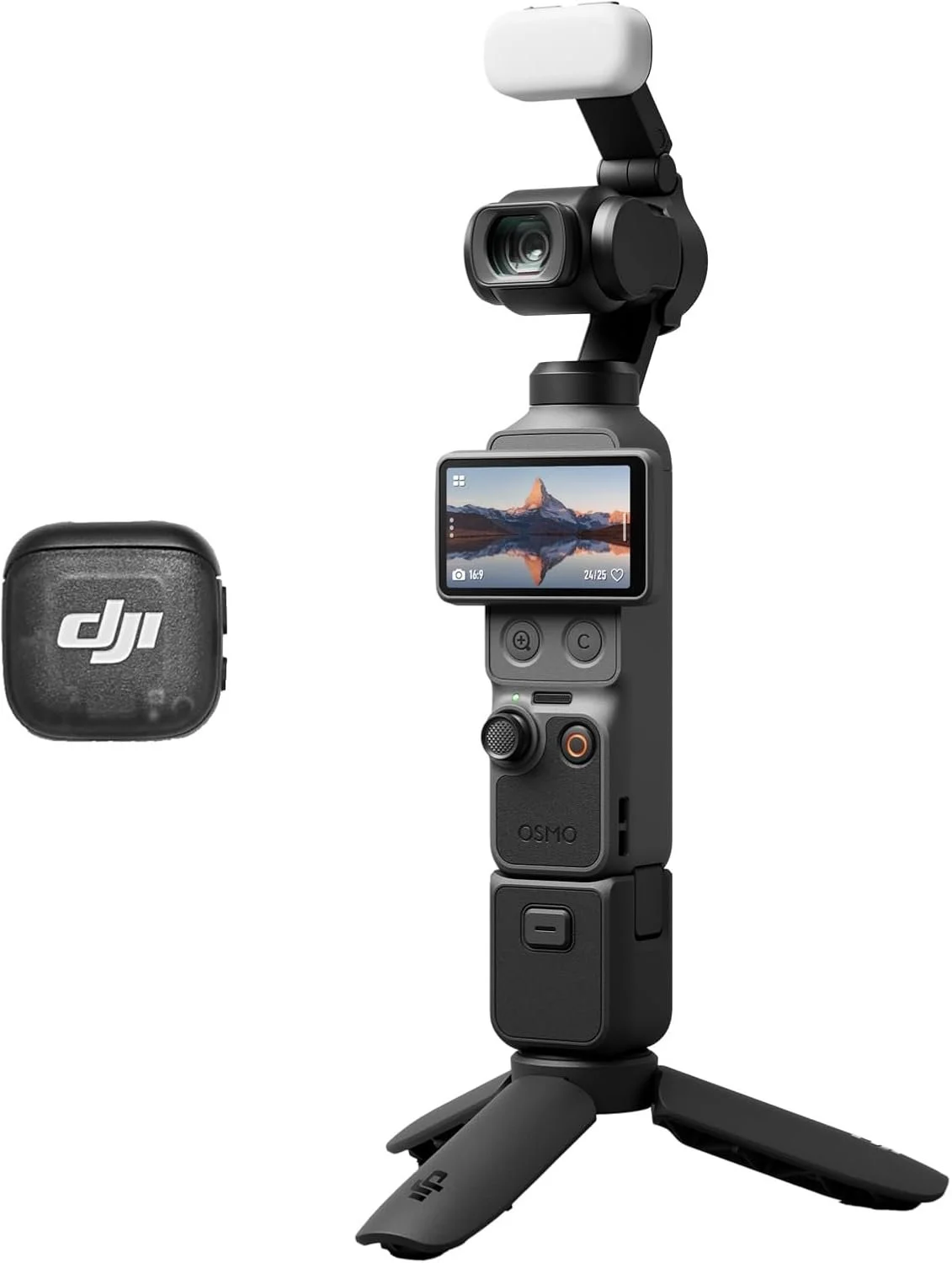
Visual Marketing Lab Insights #0005
One of the biggest mistakes businesses make when planning a content shoot isn't buying the wrong camera.
It's creating content in the wrong format.
We've all seen it happen. A business invests in a professional video, uploads it to Instagram, and suddenly people's heads are cut off. Or they try to use a vertical Reel on their website and it looks tiny with huge black bars down the side.
The problem is that the content wasn't created for where it's going to be used.
At Visual Marketing Lab, we believe every photo and video should have a purpose before the camera even comes out. If you know where your marketing content is going to live, you'll capture it differently from the very beginning.
Let's break it down.
Horizontal Content: Built for Websites, Presentations and Long-Form Marketing
Think of horizontal content as your business foundation.
It's the format that's been around for decades because it matches televisions, computer monitors and laptops.
If someone is sitting down to properly learn about your business, chances are they'll be looking at horizontal content.
You'll typically use horizontal visuals for:
Your Website
This is where horizontal content shines.
You'll need it for:
Homepage hero banners
Background videos
Service pages
About pages
Blog header images
Case studies
Portfolio galleries
Customer testimonials
Embedded promotional videos
FAQ videos
Landing pages
If your website is your digital showroom, horizontal content is the large display window.
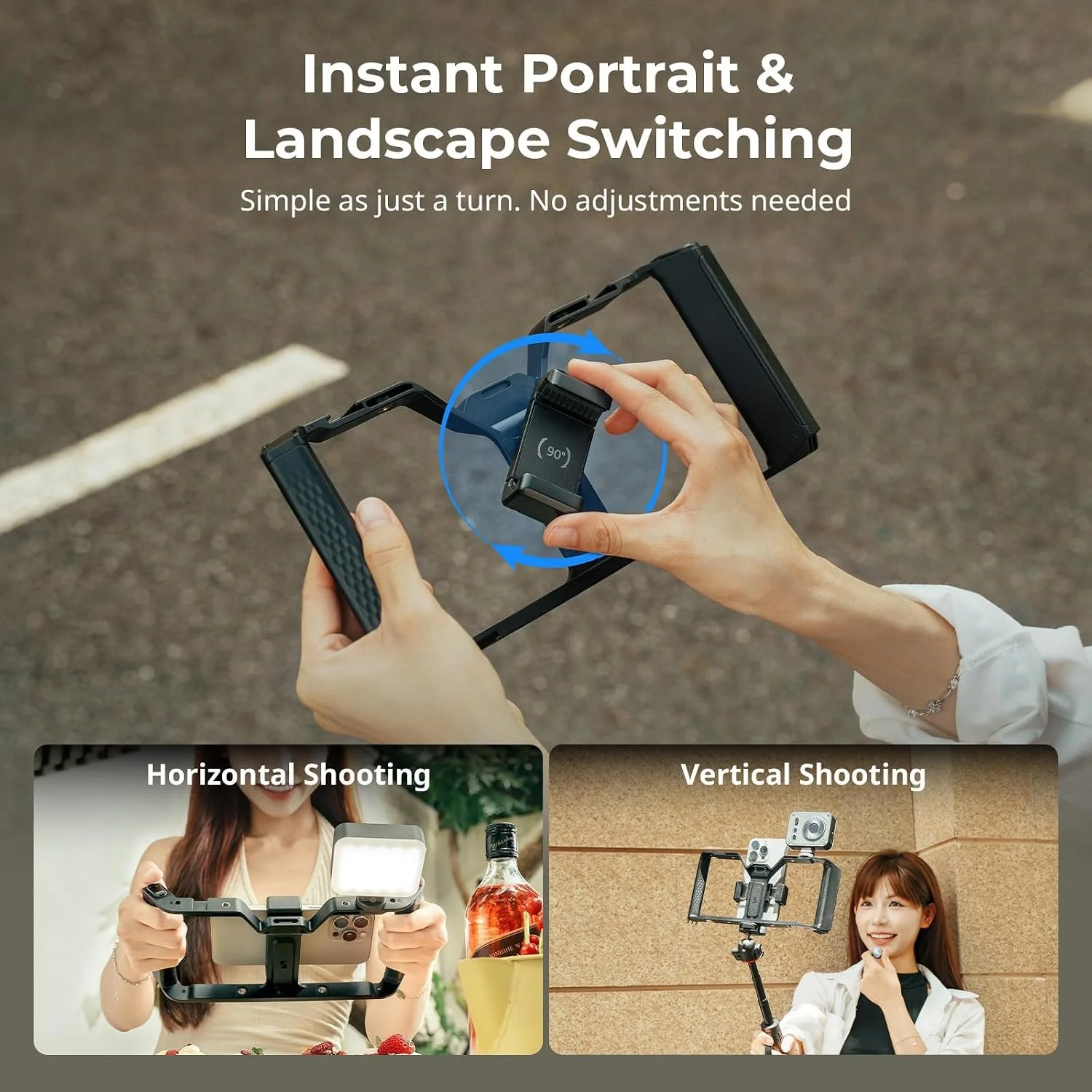
Shoot Both Horizontal & Vertical Easily
SMALLRIG IntegraGrip Universal Phone Cage
One of the easiest ways to switch between horizontal and vertical filming is with a smartphone cage. It makes changing orientation much quicker while giving you somewhere to mount lights and microphones.
YouTube
Although Shorts have become hugely popular, traditional YouTube is still built around horizontal video.
Perfect for:
Tutorials
Product reviews
Interviews
Podcasts
Client case studies
Behind-the-scenes videos
Educational content
Brand stories
Webinars
If you're creating content designed to educate for five, ten or twenty minutes, horizontal is still king.
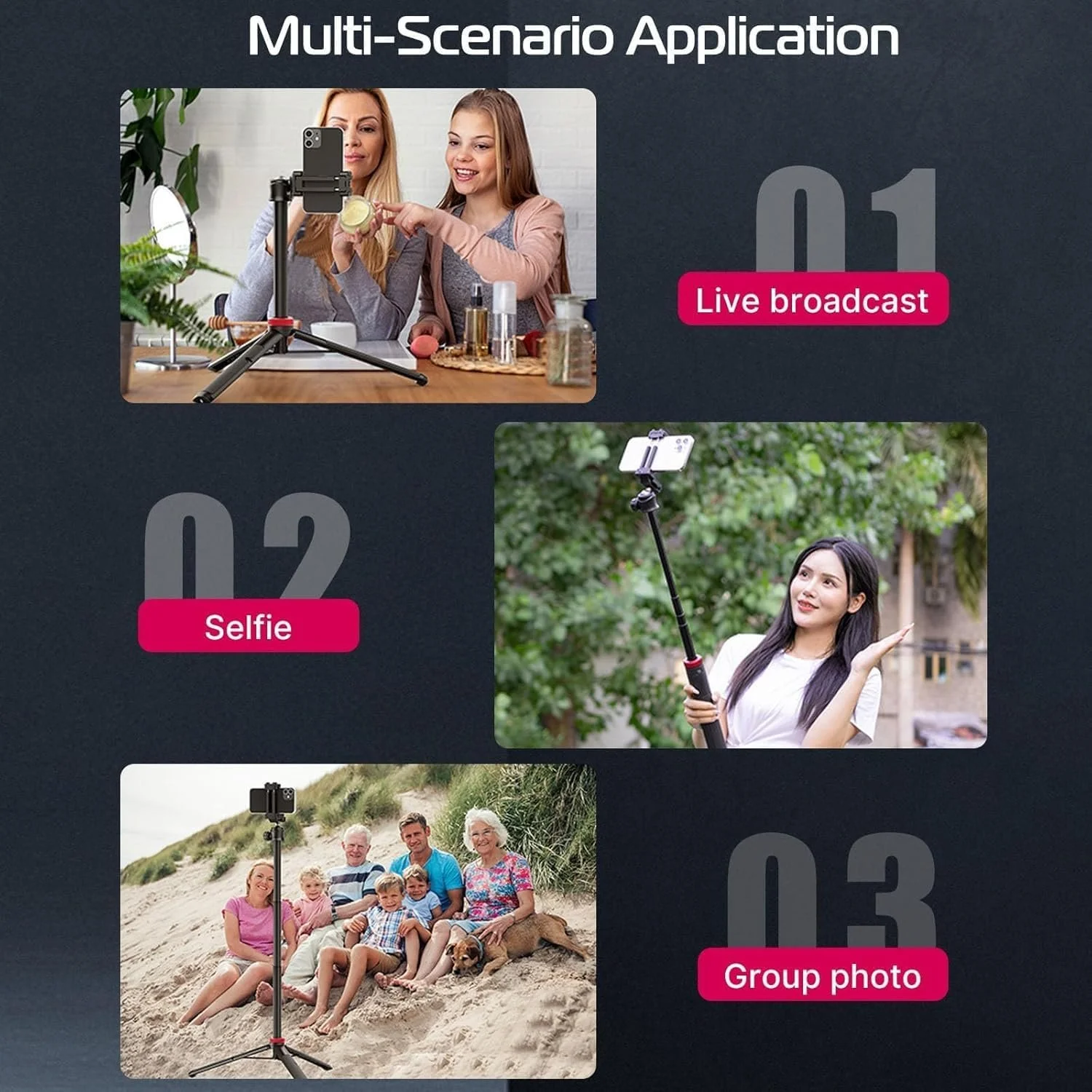
Tripods That Work Both Ways
ULANZI MT-44 Mobile Phone Camera Tripod
A flexible tripod that can quickly move between horizontal and vertical saves an enormous amount of time during a content shoot.
Most people think LinkedIn is just text posts.
It's not.
Horizontal content works brilliantly for:
Business videos
Case studies
Thought leadership
Company updates
Newsletters
Presentations
Recruitment campaigns
Event promotions
That said, LinkedIn is becoming increasingly mobile-first, so vertical video is beginning to perform really well too.
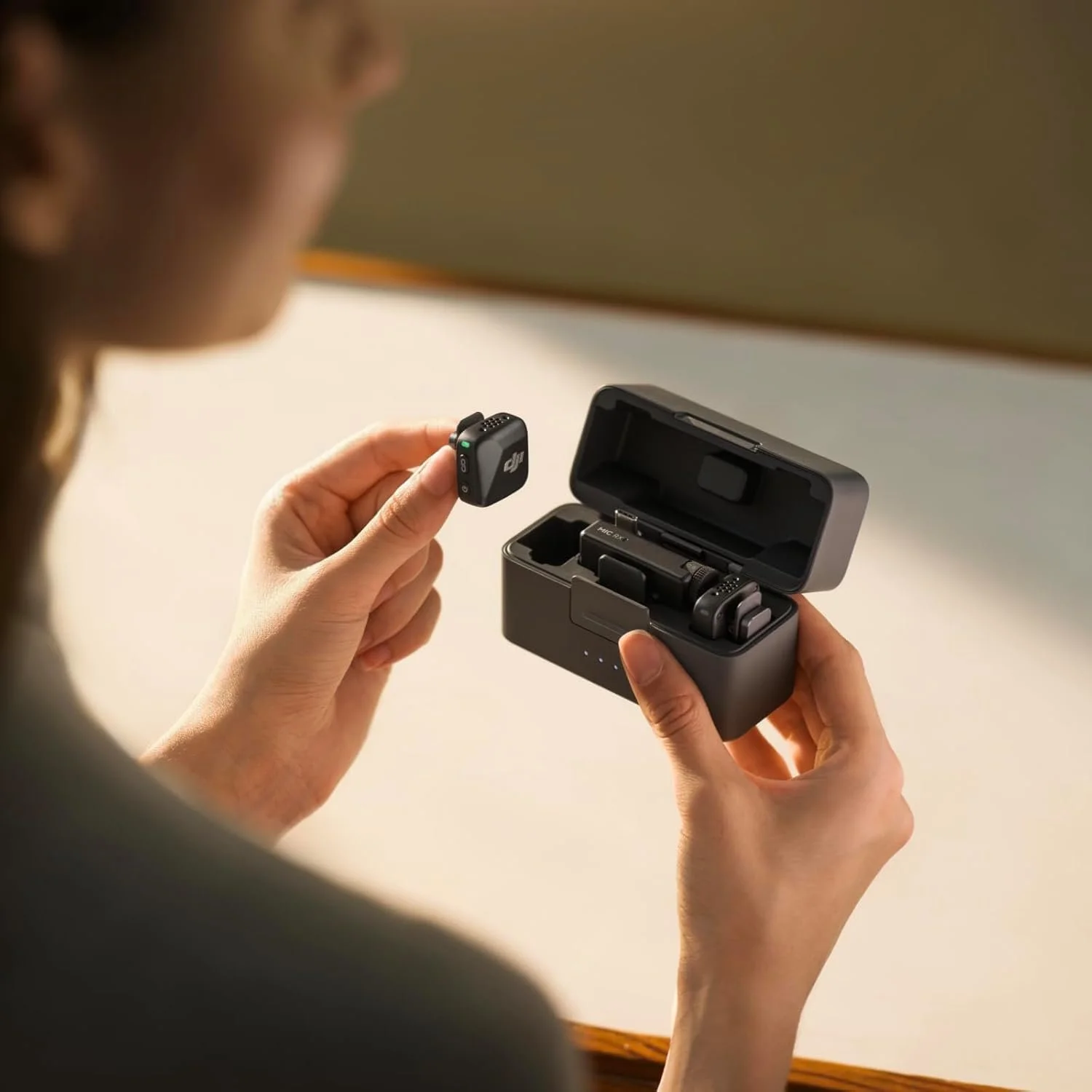
Better Audio
Rode Mic Mini
Great content isn't just about getting the format right. Clear audio often makes a bigger difference than upgrading your camera.
Horizontal content is still useful for:
Cover images
Event banners
Website link previews
Video posts
Facebook Watch
Business adverts
Product promotions
Stories and Reels are different, but we'll come onto those shortly.
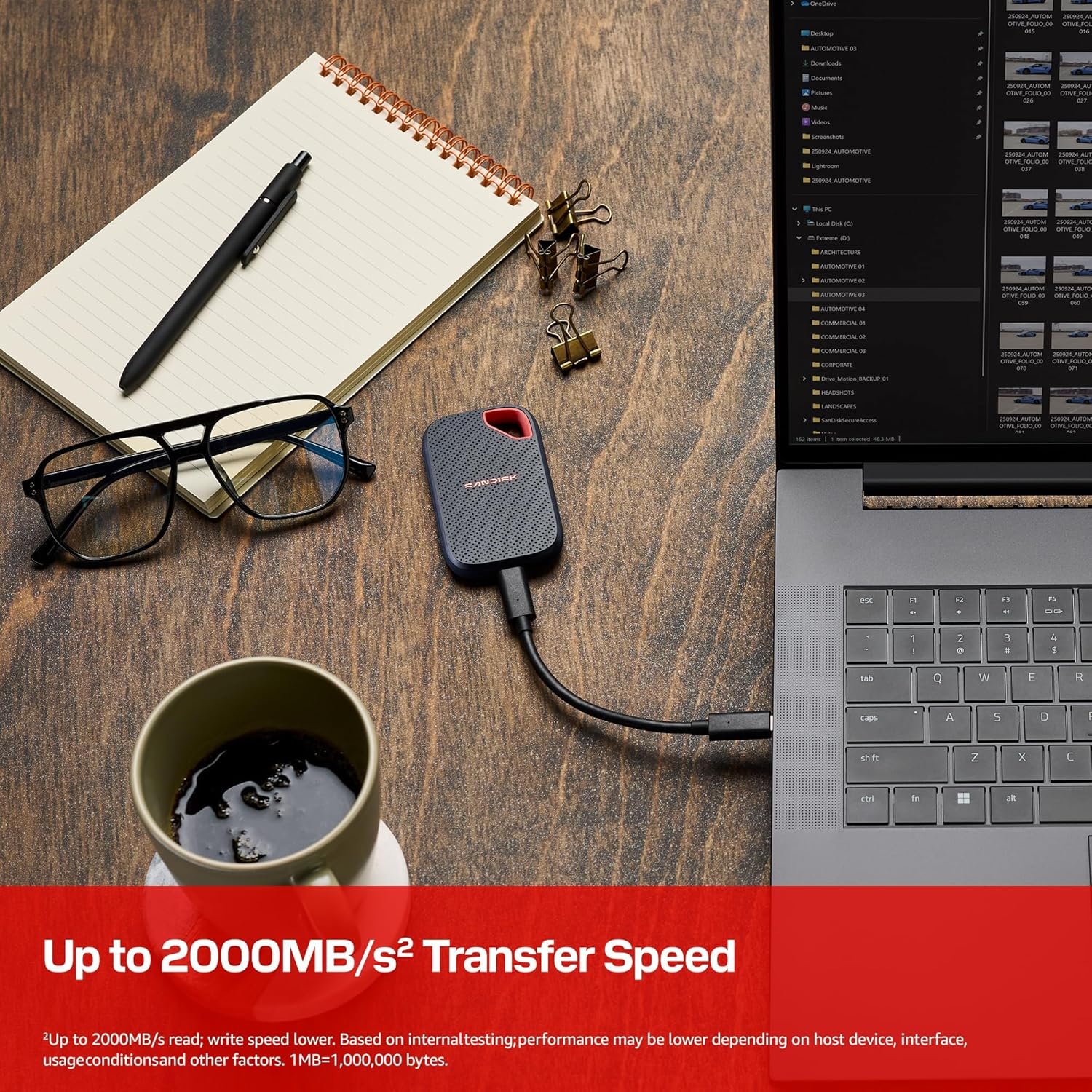
Storage
SanDisk 1TB Portable
You will quickly find out that storage is your friend and your future self will thank you for having great file management in place from day one.
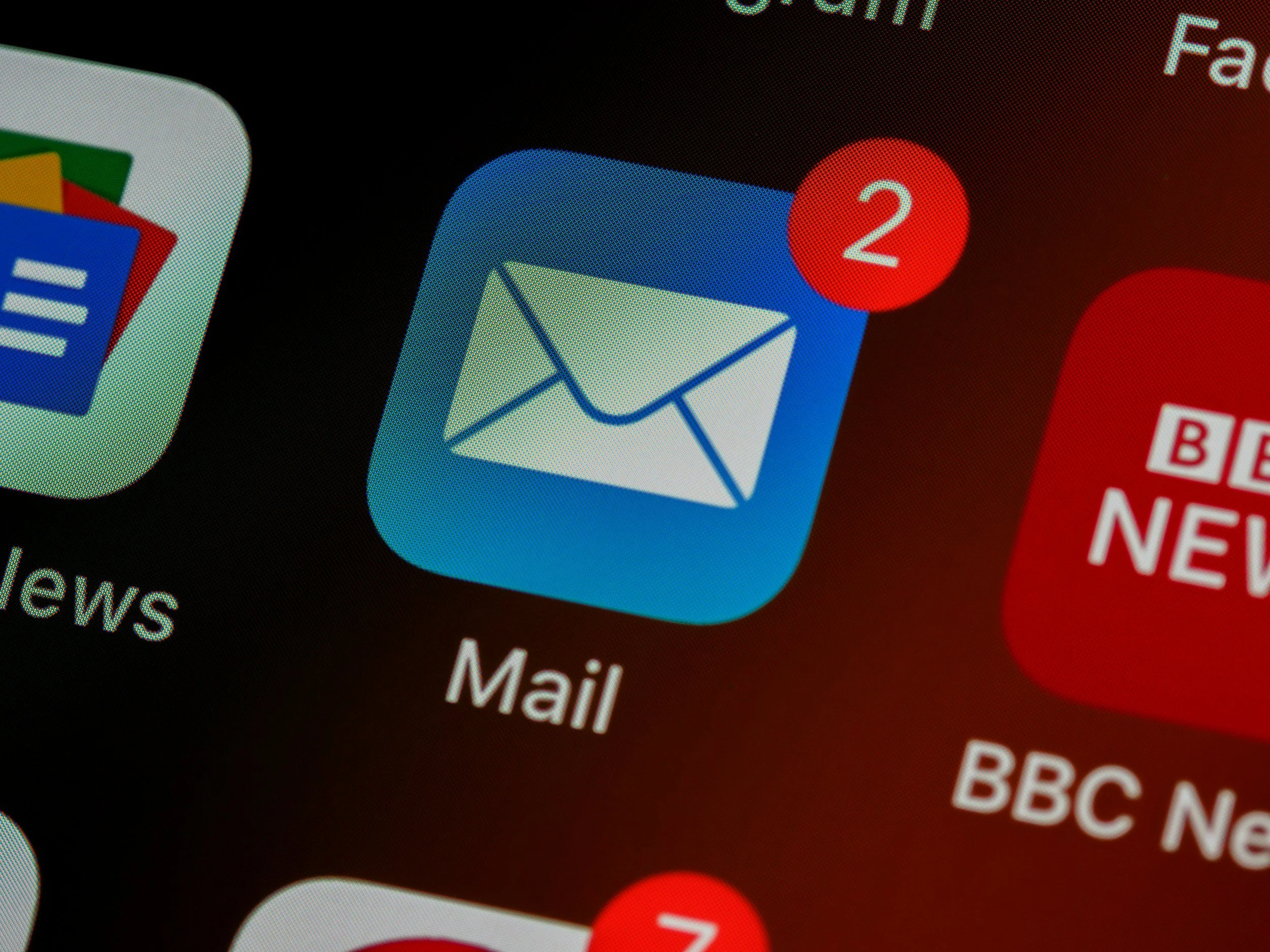
Email Marketing
Every newsletter needs visuals.
Think:
Email headers
Promotional banners
Product launches
Event invitations
Video thumbnails
Seasonal campaigns
Good imagery dramatically increases click-through rates.
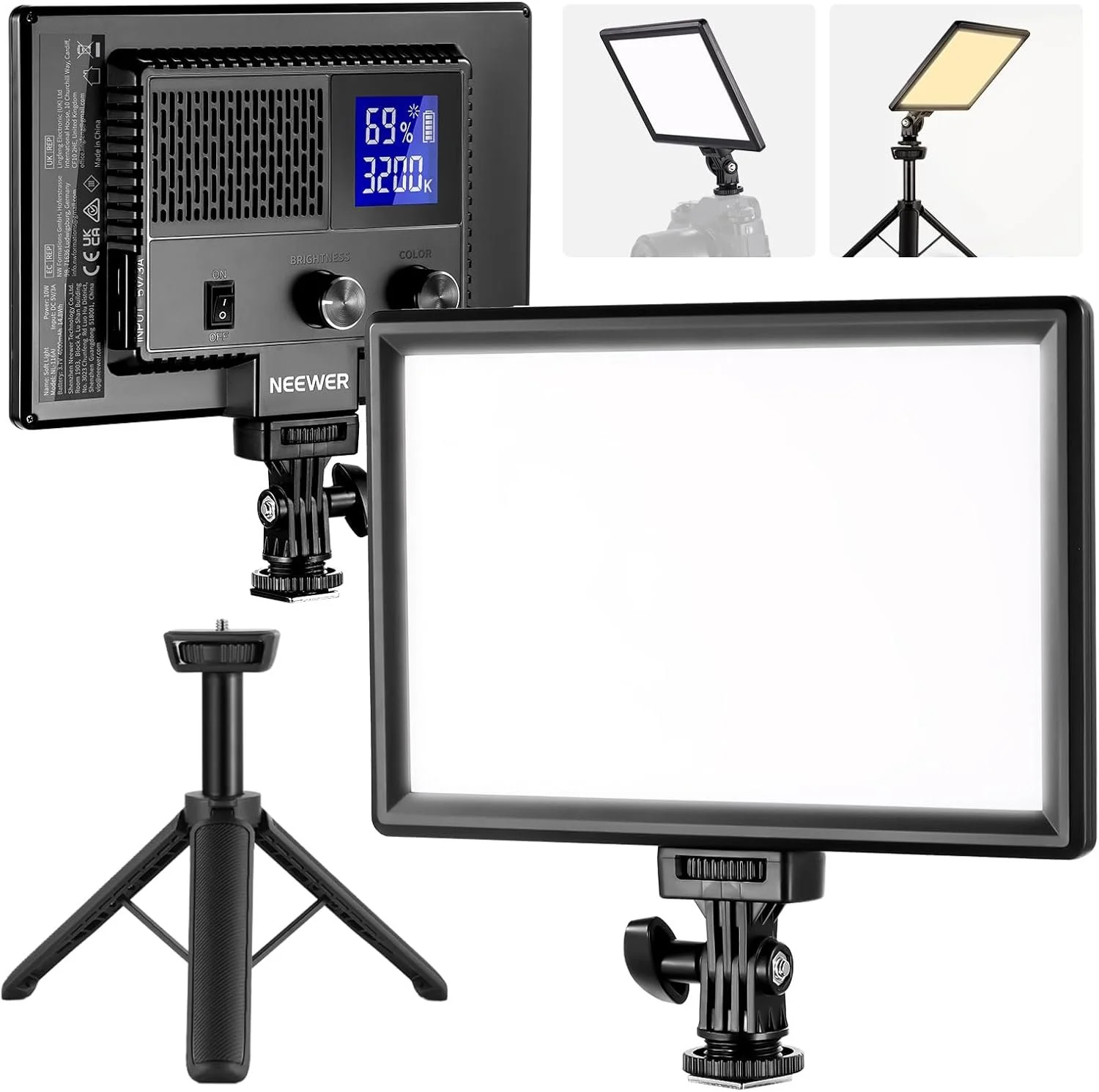
Improve your Video Content with Light
NEEWER 9" LED Video Light Panel
This small LED video camera panel light works with the included mini tabletop tripod equipment, extending up to 7.1 inches (22cm) for elevated shooting height.
With its robust and rust resistant construction, the portable table tripod stand, guarantees reliable performance under daily wear. Ideal soft light for Zoom calls, makeup artists, selfies lighting, YouTube/TikTok and vlogging.
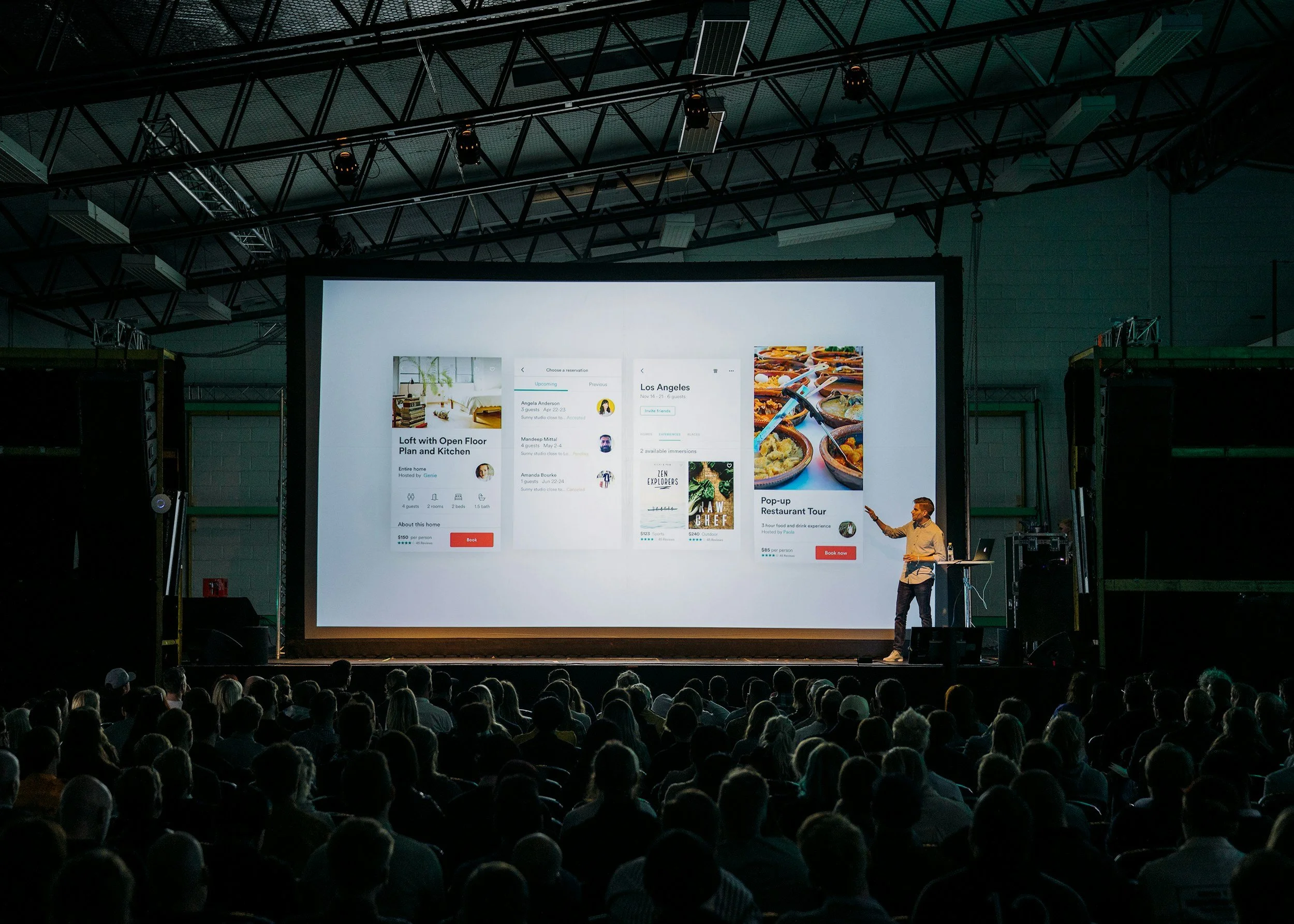
Presentations & Sales
Whether you're pitching to a client or standing up at networking event, horizontal visuals are everywhere.
Examples include:
PowerPoint presentations
Proposal documents
Sales decks
Capability brochures
Training materials
Conference presentations
Webinar slides
These are often the forgotten assets during a shoot.

Google & Search Marketing
Horizontal images also appear in places people rarely think about:
Google Business Profile
Google Ads
Display advertising
Blog preview images
Directory listings
They're quietly working in the background long after your social posts disappear.

E-commerce
If you sell products online, horizontal imagery helps with:
Homepage banners
Lifestyle photography
Product demonstrations
Collection pages
Marketplace promotions
Customers don't just buy products.
They buy the story around the product.

PR & Editorial
If your images ever end up in magazines, newspapers or online publications, editors usually prefer horizontal images because they leave room for headlines and page layouts.
Vertical Content: Built for Mobile Attention
Now let's talk about where everyone spends far too much time...
Their phones.
Vertical content isn't a trend anymore.
It's how millions of people consume content every single day.
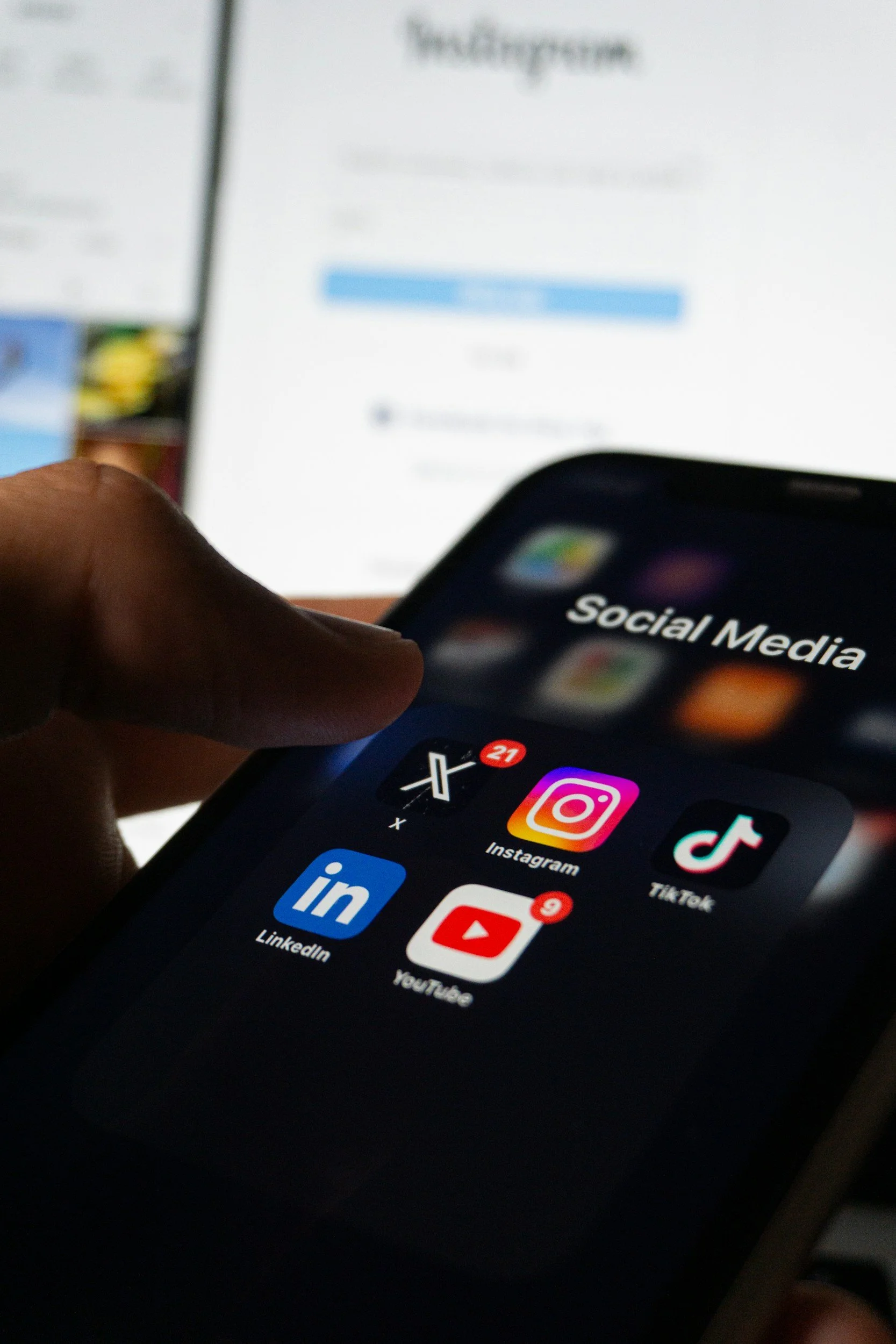
Vertical content powers almost everything people engage with.
That includes:
Reels
Stories
Behind the scenes content
Talking head videos
Customer testimonials
Product demonstrations
FAQs
Day in the life content
If Instagram is part of your marketing strategy, vertical content should already be on your shot list.

TikTok
TikTok was designed for vertical viewing.
You'll need vertical content for:
Educational tips
Product showcases
Quick tutorials
Behind-the-scenes clips
Team culture
User generated style content
Customer stories
Trying to crop horizontal video into TikTok almost always looks like an afterthought.

YouTube Shorts
Short-form education is exploding.
Great uses include:
Podcast snippets
Quick marketing tips
Product demonstrations
Case study highlights
Frequently asked questions
Event highlights
Think of Shorts as trailers that encourage viewers to watch your longer content.
Facebook Reels
Facebook now pushes Reels heavily.
Vertical content works brilliantly for:
Business updates
Testimonials
Promotions
Event coverage
Educational content
Company culture
LinkedIn Video
This surprises a lot of people.
Founder-led vertical videos are performing exceptionally well because they take up more screen space on mobile.
People stop scrolling.
That's exactly what you want.
Pinterest isn't really a social platform.
It's a visual search engine.
Vertical graphics perform brilliantly for:
Buying guides
Blog promotion
Infographics
Product collections
Checklists
Affiliate marketing
Step-by-step guides
If you're blogging consistently, Pinterest should absolutely be part of your strategy.
Mobile Advertising
Most paid advertising is now viewed on phones.
That means vertical content is ideal for:
Instagram Story ads
Facebook Story ads
TikTok advertising
Mobile app adverts
Full-screen promotions
If your content doesn't fill the screen, you're wasting valuable attention.
Don't Forget the Middle Ground
Not everything needs to be fully horizontal or fully vertical.
Some of the most useful assets are actually somewhere in between.
Square Images
Ideal for:
Product photography
Social graphics
Testimonials
Profile pictures
Carousel posts
Portrait Feed Images
Perfect for:
Instagram posts
Facebook feeds
LinkedIn updates
Personal branding photography
These often perform better than landscape images because they occupy more screen space without forcing users into a full-screen experience.

So What's the Best Approach?
At Visual Marketing Lab, we'd recommend capturing every important scene in four versions:
1. Horizontal Wide
Perfect for websites, YouTube, presentations and banners.
2. Horizontal Medium
Ideal for blogs, case studies, LinkedIn and email marketing.
3. Vertical
Built specifically for Reels, Stories, TikTok and Shorts.
4. Square or 4:5 Safe
Ready for Instagram feeds, Facebook posts and LinkedIn updates.
One shoot.
Multiple marketing assets.
Maximum return.
The Marketing Asset Library Mindset
This is exactly why we're such big believers in creating a Marketing Asset Library rather than simply delivering a folder of photos.
You're not paying for 100 images.
You're building a collection of marketing assets that can work across your website, social media, email campaigns, presentations, advertising, blogs, newsletters and sales material for months to come.
When content is planned with every platform in mind, you don't just create more content.
You create content that works harder.

Final Thoughts
The businesses getting the most from their content aren't necessarily creating more.
They're creating smarter.
Every photo and every video should have a destination before it's captured.
Because the best marketing content isn't simply beautiful.
It's built for where your customers will actually see it.



The Aim Of Create The Image
Become the UK’s most trusted strategy-first visual marketing partner
Trusted by 100’s of businesses for
Strategy First Marketing
Creating Scroll-Stopping Content
Visual Marketing That Works
Testing Better Marketing