

Why Great Food Deserves Great Marketing: The Business Case for Restaurant Photography and Video
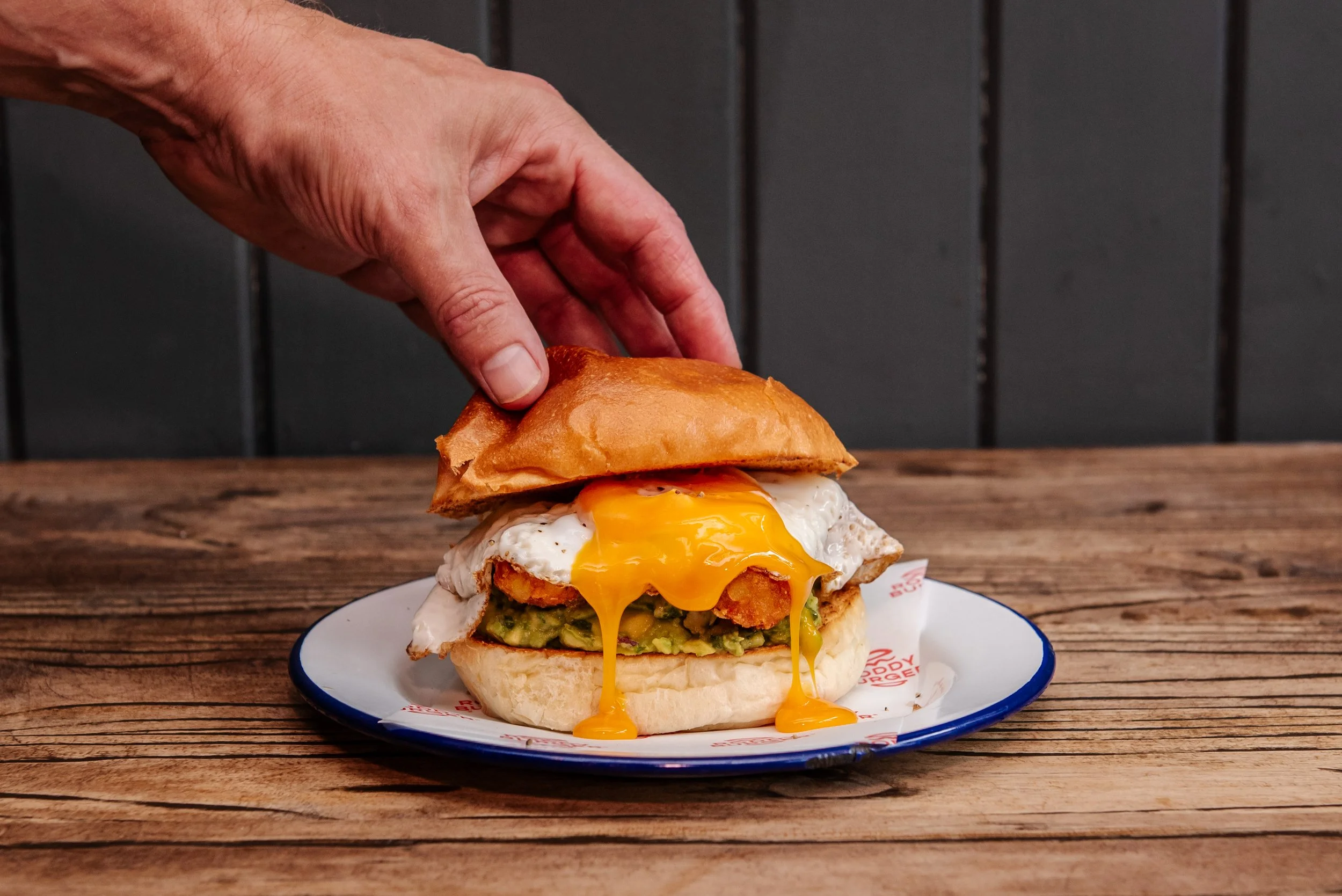
Your food could taste incredible, but does it look incredible online?
Before a new customer visits your restaurant, books a table or places an order, there is a good chance they will experience your food through a screen.
They might discover you through Instagram, look at your photographs on Google, browse your website, check a delivery app or watch a video showing one of your dishes being prepared.
At that point, they cannot taste the food.
They cannot smell what is cooking.
They cannot experience the atmosphere or speak to your team.
All they have is what you show them.
That is why high-quality food photography and video are no longer simply about making a restaurant’s social media look attractive. They are commercial marketing assets capable of influencing what people notice, how they perceive your restaurant and whether they decide to take action.
Great food photography sells the dish.
Great video sells the experience.
Together, they can turn appetite into action.
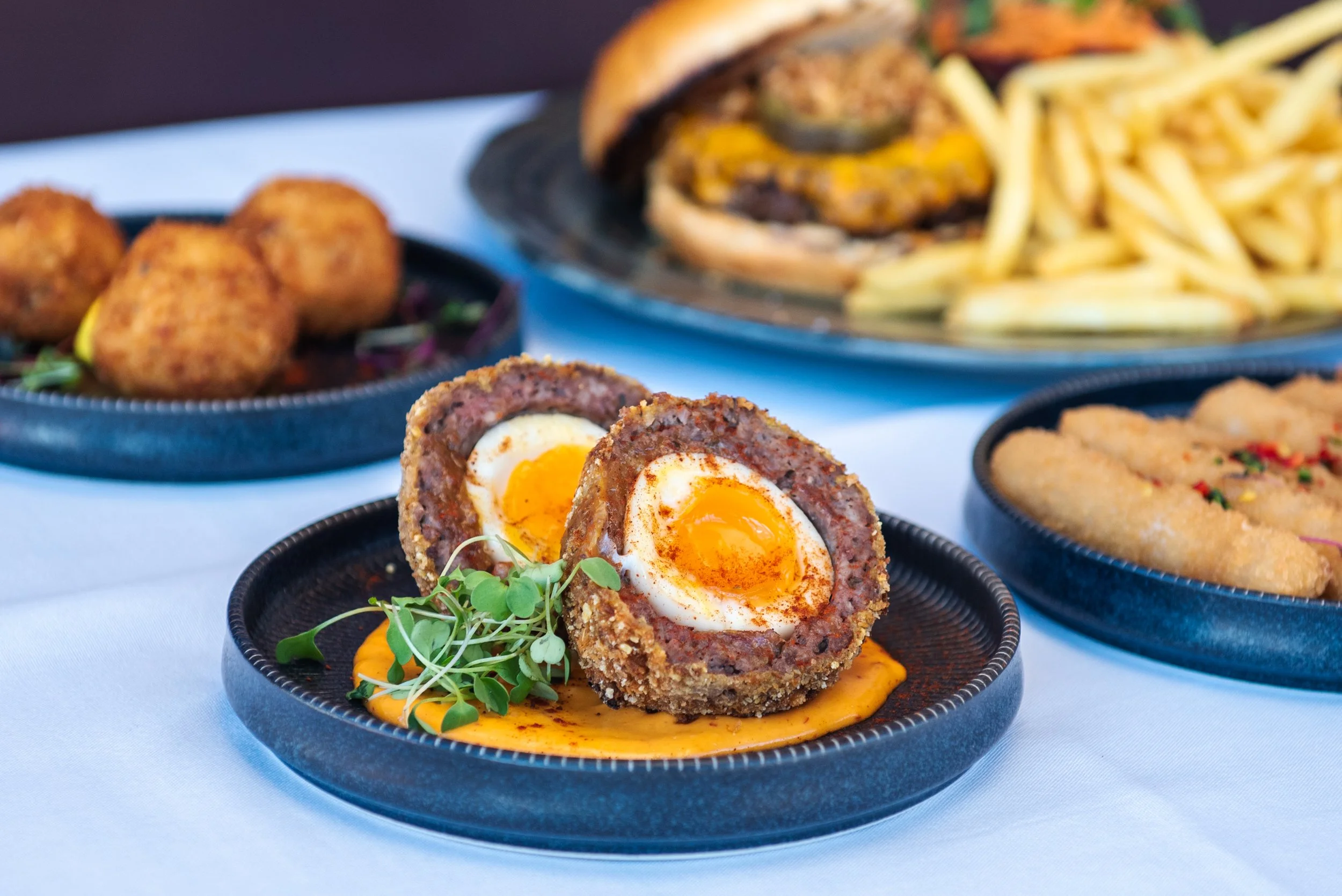
Customers Really Do Eat With Their Eyes
People make incredibly quick judgements online.
When someone sees a bright, carefully composed photograph of a dish, they immediately begin forming expectations about the food and the restaurant serving it.
The quality of the image can influence how fresh the ingredients appear, how generous the portion feels and even how much the customer thinks the meal is worth.
A poorly lit photograph can have the opposite effect.
The dish might taste fantastic in person, but flat lighting, an untidy background, an unflattering angle or incorrect colour can make it look average. The photograph has unintentionally lowered the perceived value of the food before the customer has had an opportunity to try it.
Professional food photography is not about making a dish look unrealistic. It is about showing the food truthfully, consistently and at its most appealing.
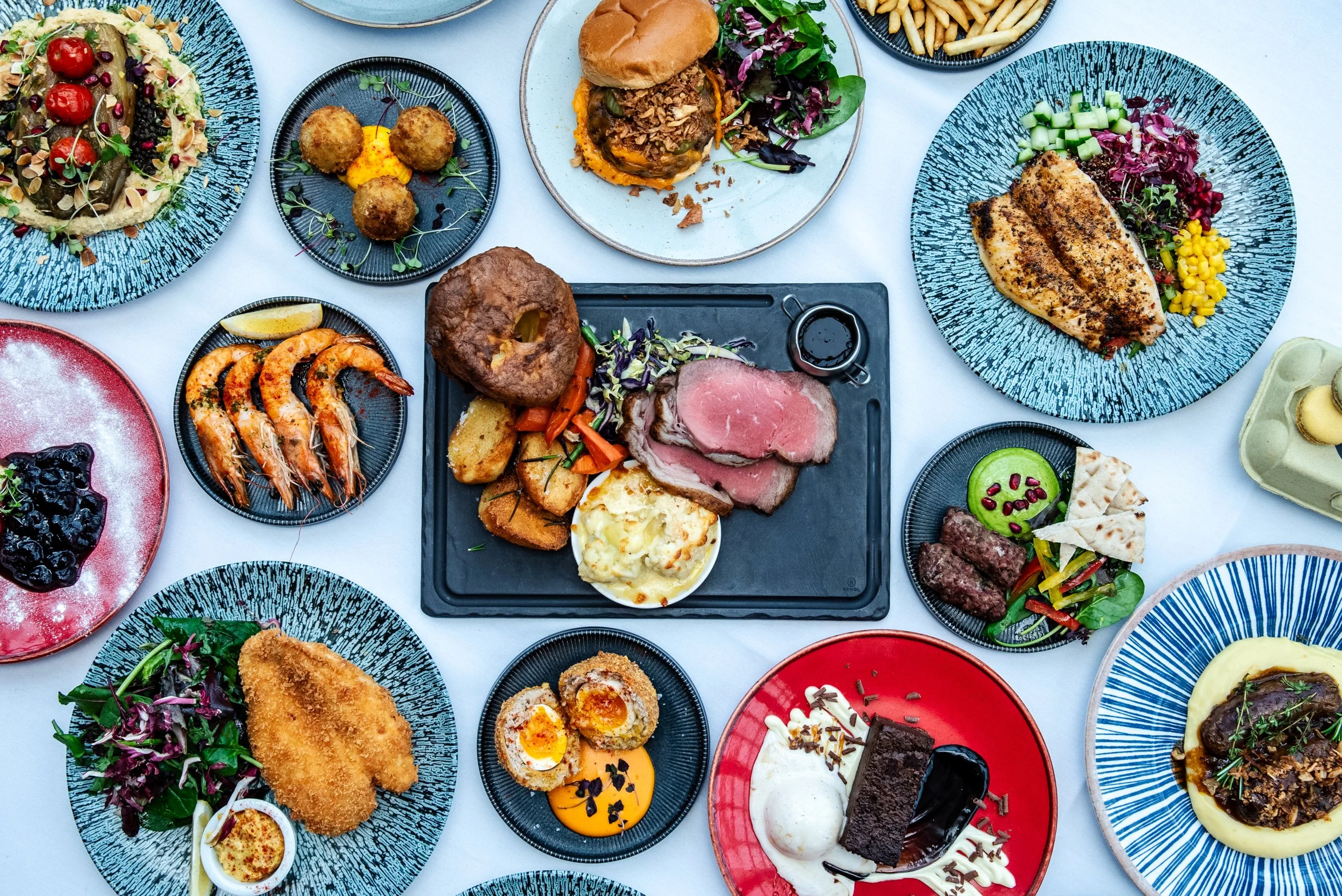
The Figures Behind Food Photography
The commercial value of restaurant photography is supported by some compelling data.
Online delivery platform studied more than 15,000 local small-business merchants and found that menus containing photographs of individual dishes generated up to 44% more monthly sales than menus without them.
Its research has also found that restaurant menus featuring a header image achieved up to 50% more monthly sales, while adding photographs to at least half of the menu could increase sales by 13%.
These figures come from restaurants operating on the delivery platform, so they should not be interpreted as a guaranteed outcome for every business or platform. However, they do demonstrate an important pattern: when customers can clearly see what they are considering, it can reduce uncertainty and increase the likelihood of an order.
Academic research also supports the relationship between food imagery and purchasing decisions. One study found that photographs showing the preparation process could create stronger purchase intentions than images showing only the completed dish.
That gives restaurants an important clue.
Customers do not only want to see the final plate. They are also interested in the ingredients, skill and care behind it.
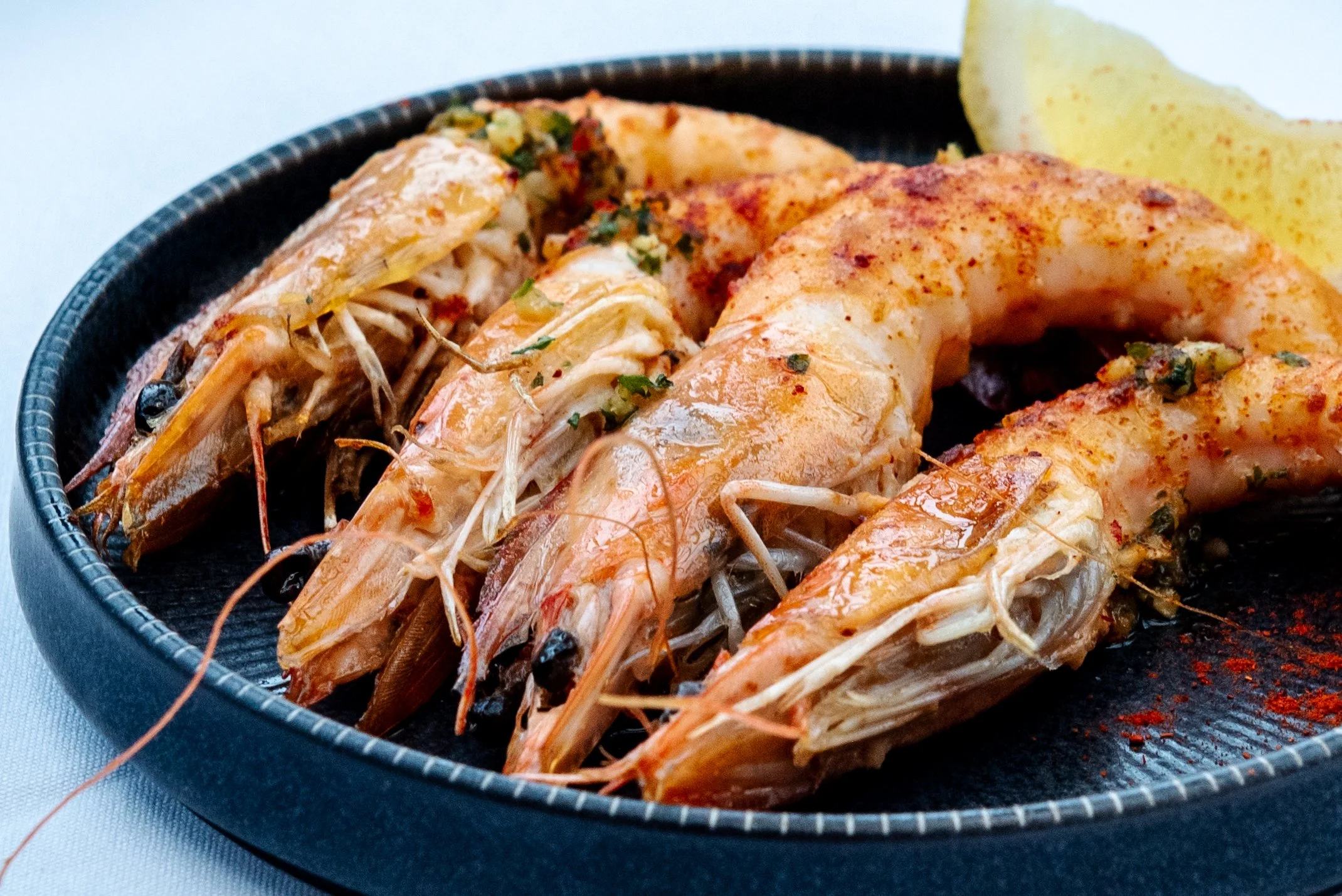
What Professional Food Photography Can Do for a Restaurant
1. Make dishes more desirable
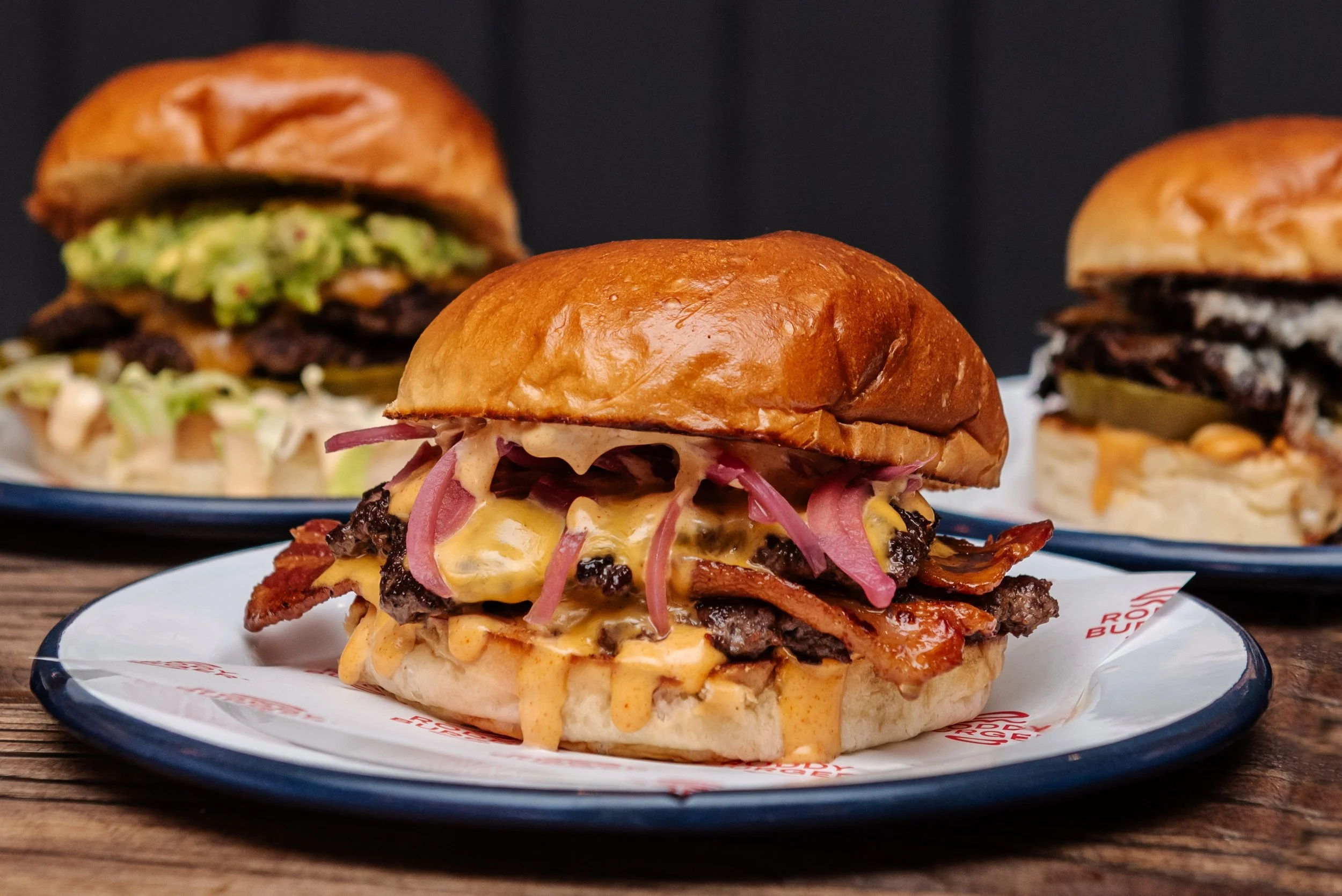
Professional lighting, composition and styling help reveal the details that make food appealing: texture, colour, freshness, steam, sauces and carefully selected ingredients.
The objective is not simply to create a “nice photograph”. It is to make the customer stop, look and imagine ordering the dish.
2. Increase perceived value
Presentation affects perception.
If a premium dish is shown through an unplanned phone photograph, the visual quality may not reflect its price. Professional photography helps the marketing match the standard of the food and the experience being offered.
This becomes particularly important for restaurants competing on quality rather than price.
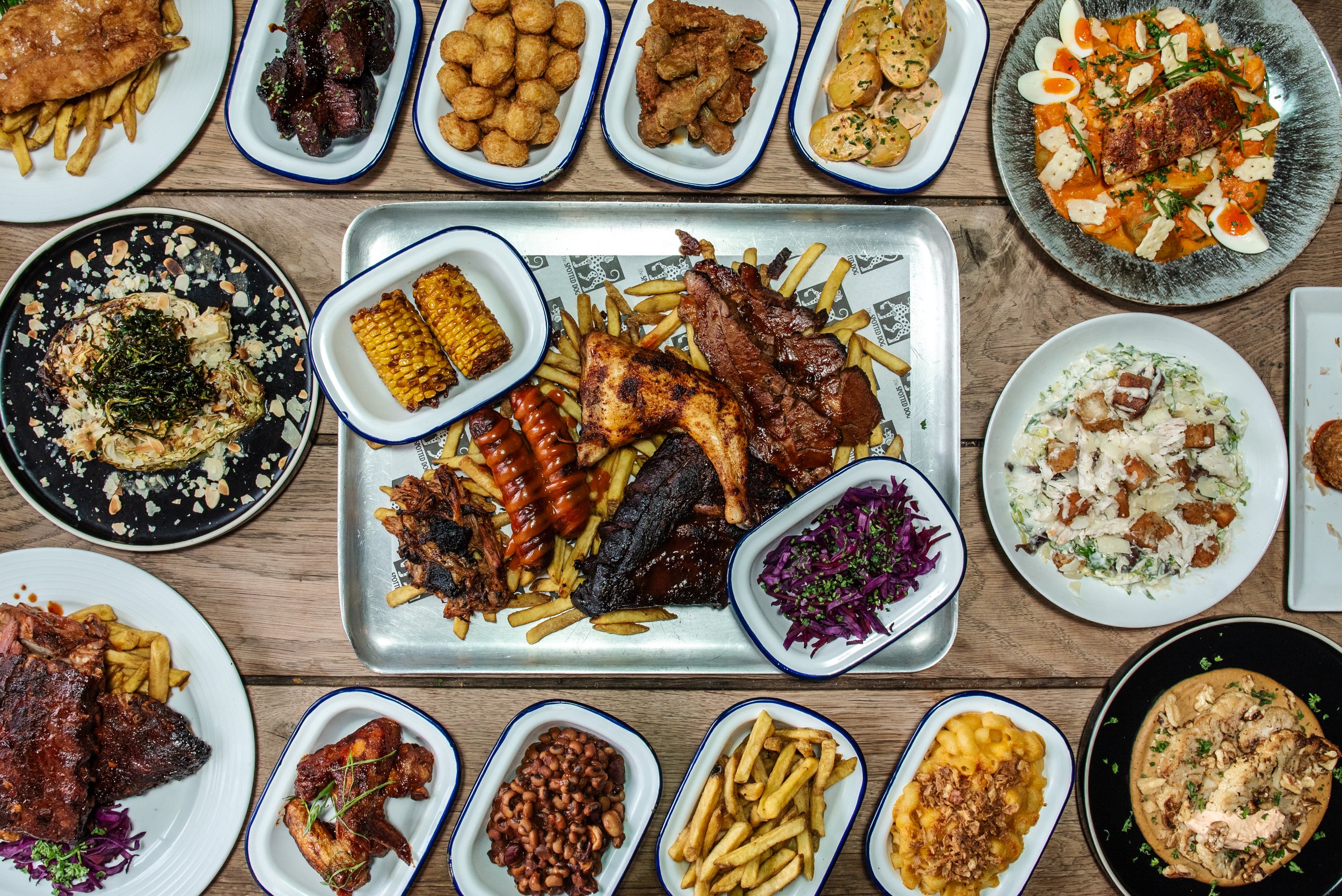
3. Help customers make decisions
A written menu describes what is available. A strong photograph helps customers picture the choice.
That can be particularly valuable for signature dishes, unfamiliar ingredients, seasonal menus, specials and takeaway options.
It removes some of the uncertainty involved in trying something new.
4. Create consistency across every customer touchpoint
A professionally created library of food photographs can be used across:
Restaurant websites
Online ordering platforms
Google Business Profiles
Instagram and Facebook
Email marketing
Digital menus
Printed menus
Press coverage
Advertising
Posters and promotional material
Seasonal campaigns
Delivery platforms
Instead of searching through old phone photographs whenever something needs promoting, the restaurant has an organised collection of high-quality assets ready to use.
That saves time while keeping the brand looking consistent.
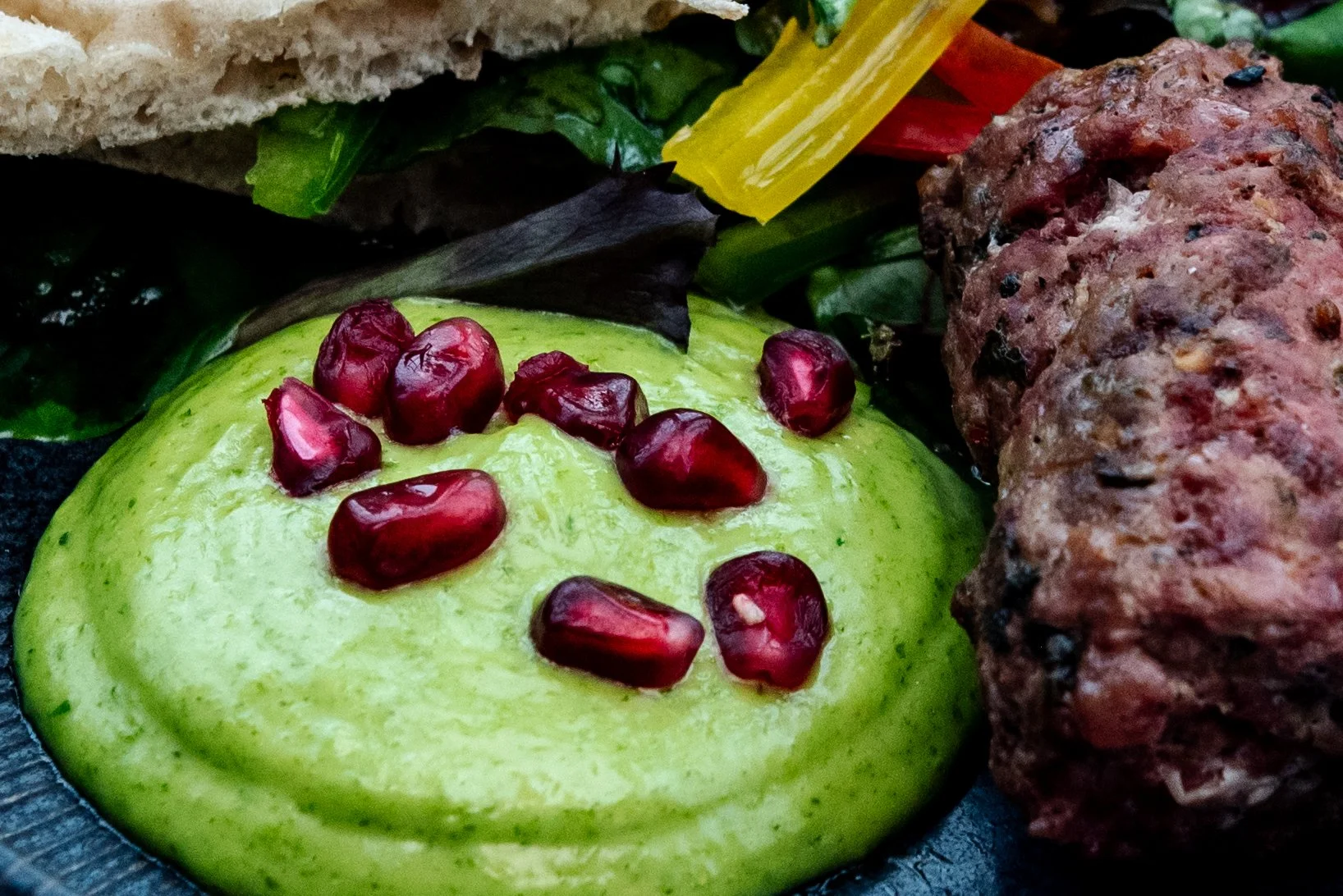
What Video Adds to Restaurant Marketing
Photography captures the perfect moment. Video allows the customer to experience what happens around it.
A photograph can show a beautifully prepared pizza.
A video can show the dough being stretched, the toppings being added, the pizza entering the oven and the first slice being lifted from the plate.
A photograph can showcase a cocktail.
Video can capture the pour, the ice, the garnish, the movement and the atmosphere surrounding it.
This is where video becomes incredibly powerful for restaurants. It combines movement, sound, people and storytelling in a way that photography cannot do alone.
The Figures Behind Video Marketing
2026 video marketing research found that:
85% of consumers had been convinced to buy a product or service after watching a video.
89% said video quality affects their trust in a brand.
84% wanted to see more video content from brands.
63% would prefer a short video when learning about a product or service.
83% of video marketers said video had helped them increase sales.
These are general video-marketing figures rather than restaurant-specific results, but the implications for hospitality are clear.
Restaurants sell highly visual products and emotional experiences. Video gives potential customers a way to see the food, meet the people and feel the atmosphere before visiting.
What Restaurant Video Can Communicate
The preparation
Show the chopping, mixing, grilling, pouring, decorating and finishing touches that customers normally never see.
This communicates freshness, skill and attention to detail.
The people
Introduce the chef, restaurant owner, front-of-house team or suppliers.
People connect with people. Showing the personalities behind the restaurant can build familiarity and give customers another reason to support the business.
The atmosphere
A restaurant is more than its menu.
Video can capture lighting, music, conversations, service, décor and the energy of a busy evening. This helps potential customers understand whether the restaurant is right for a relaxed lunch, family celebration, date night or corporate meal.
The story
Why was the restaurant created? Where do the ingredients come from? What makes the menu different? Which dish means the most to the chef?
These stories create a stronger emotional connection than simply posting another photograph accompanied by “Book now”.
The customer experience
A well-planned video can take someone from arriving at the restaurant to ordering, dining and enjoying the occasion.
Customers are not only buying food. They are choosing how they want to feel and who they want to share the experience with.
Photography or Video: Which Does a Restaurant Need?
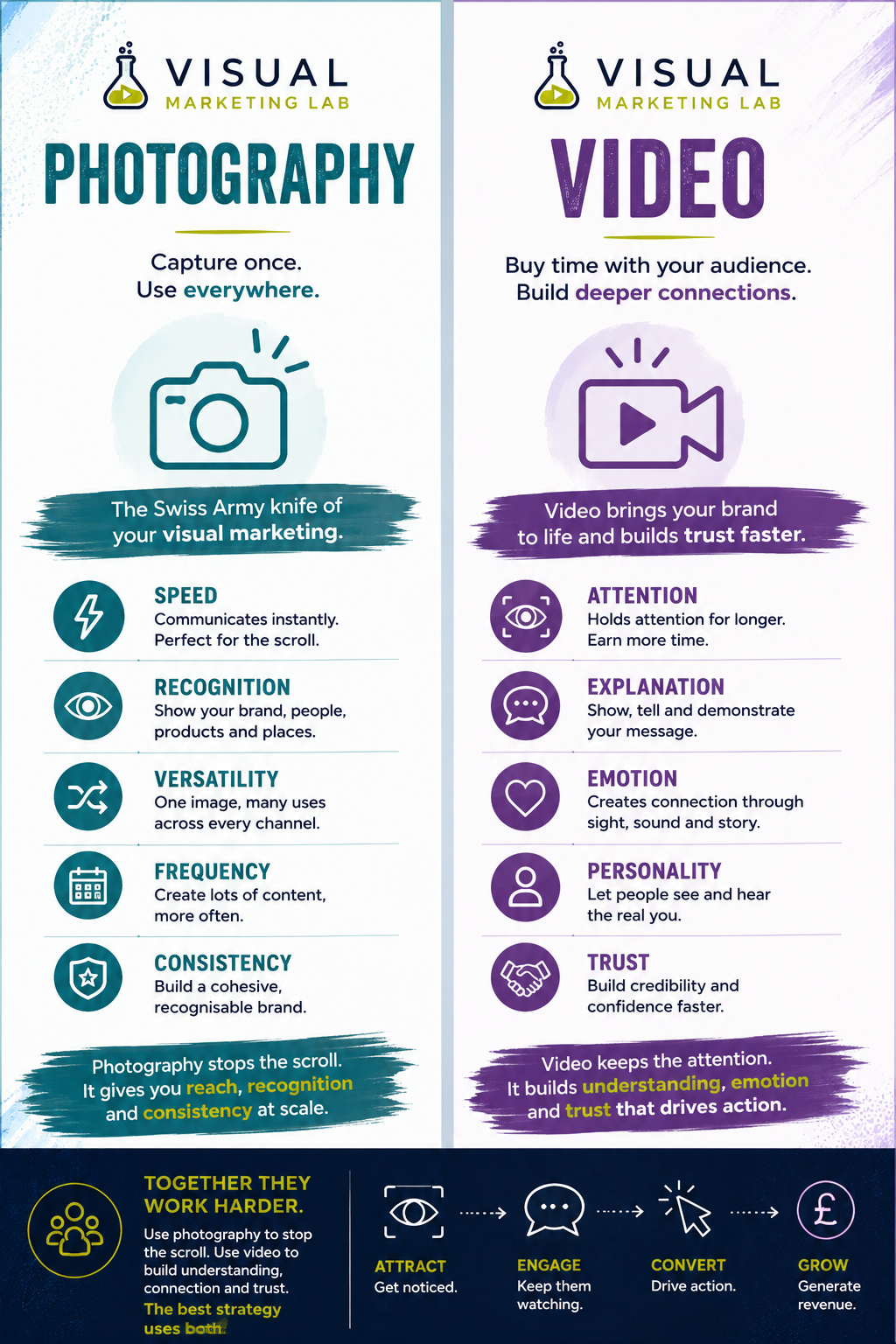
This should not be treated as a competition between two formats because they perform different jobs.
Photography is particularly effective for:
Menus and delivery platforms
Google listings
Websites
Printed marketing
Advertising
Promoting individual dishes
Creating consistent social content
Giving customers information quickly
Video is particularly effective for:
Capturing attention on social media
Showing preparation and movement
Introducing chefs and team members
Communicating atmosphere
Telling the restaurant’s story
Building familiarity and trust
Promoting launches, events and seasonal menus
The strongest restaurant marketing normally uses both.
Photography gives the business a versatile foundation of professional images. Video brings those ingredients, dishes, people and experiences to life.
One Shoot Should Create More Than One Post
One of the biggest mistakes restaurants make is thinking about content one post at a time.
A photographer is booked to capture a new dish. A video is made for one Reel. A member of staff takes another photograph because something needs posting that evening.
This creates inconsistency and makes marketing feel like a constant demand.
A better approach is to plan a restaurant content shoot around the marketing activity coming up over the next few weeks or months.
One strategically planned shoot could capture:
Hero photographs of signature dishes
Individual menu photographs
Ingredients and preparation
Photographs of the chef and team
Interior and exterior images
Customer experience photographs
Vertical video clips for Reels and TikTok
Horizontal footage for the website
Chef interviews
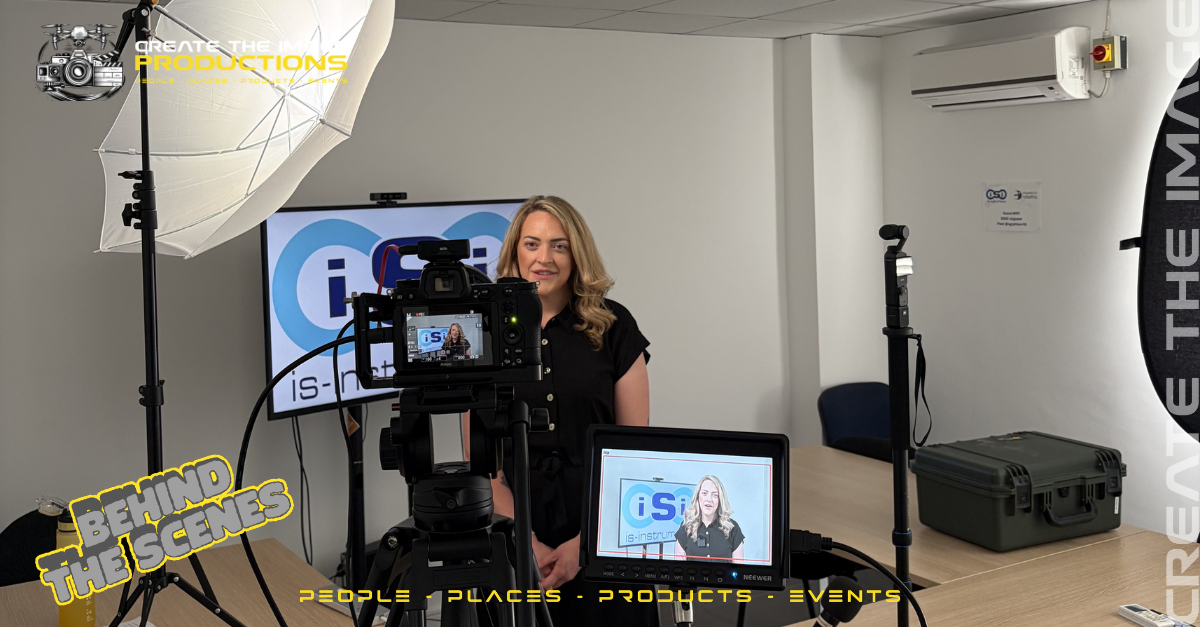
Behind-the-scenes footage
Seasonal promotions
Short videos answering common questions
Content for recruitment and team marketing
The result is not simply a collection of attractive pictures. It is a useful visual marketing library that can support multiple platforms and campaigns.
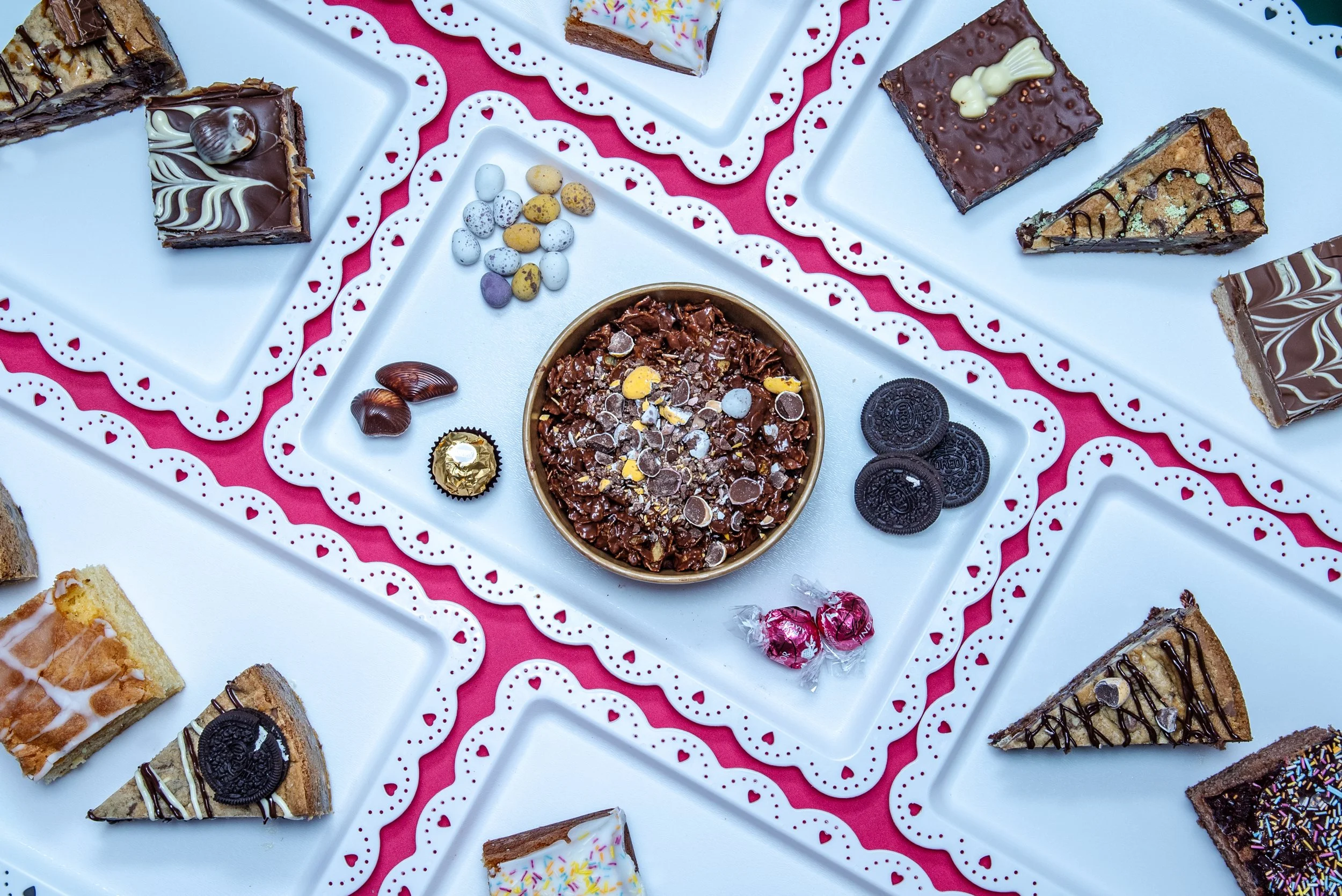
The Content Should Support a Business Goal
Before photographing the first dish, it is worth asking what the restaurant wants the marketing to achieve.
Is the priority to:
Increase table bookings?
Generate more takeaway orders?
Promote quieter days?
Launch a new menu?
Increase average customer spend?
Attract private dining or corporate bookings?
Build recognition for the chef?
Introduce a new location?
Improve the restaurant’s premium positioning?
Promote events and seasonal offers?
The answer should influence what gets photographed and filmed.
If the objective is to increase weekday lunchtime bookings, the content should show more than a close-up of one dish. It might need to communicate speed of service, menu variety, location, atmosphere and who the lunch experience is designed for.
If the objective is to attract private events, the space, service, drinks, table presentation and complete guest experience become just as important as the food.
This is why our approach at Create The Image Productions is strategy first.
We do not begin by asking how many photographs or videos a restaurant wants. We begin by understanding what the content needs to help the business achieve.
Quality Must Be Matched by Authenticity
Professional does not have to mean overproduced.
Customers still need to recognise the dish when it arrives at their table. A photograph that creates unrealistic expectations may secure the initial order but damage trust afterwards.
The strongest restaurant content is aspirational but honest.
It presents the food beautifully while remaining faithful to the real portion, ingredients and experience. It should feel polished enough to elevate the brand but natural enough for customers to believe.
That balance is where thoughtful lighting, styling, composition and creative direction make a real difference.
Is Your Current Content Doing Justice to Your Food?
Take a look at your website, Google listing, social profiles and online menu as though you were discovering the restaurant for the first time.
Ask yourself:
Do the images accurately represent the quality of the food?
Is there a consistent visual style?
Can customers see your signature dishes?
Does the content communicate the atmosphere?
Are there photographs of the people behind the restaurant?
Does your video make someone want to experience the venue?
Do you have enough content to market consistently?
Is the content connected to a clear commercial objective?
If the food is better than it looks online, the marketing is underselling the restaurant.
Turn Appetite Into Action
High-quality photography helps people notice the dish, understand what they are ordering and feel confident about their choice.
High-quality video captures the movement, personality and atmosphere surrounding it.
Photography sells the food.
Video sells the experience.
Strategy ensures both contribute to the results the restaurant needs.
At Create The Image Productions, we plan and produce strategy-led food photography and restaurant video content designed to create a lasting impression, build trust and help turn attention into bookings and orders.
If your restaurant’s food deserves to be seen at its best, let’s have a conversation about creating a visual marketing library that works across your website, social media, menus, delivery platforms and future campaigns.


The Aim Of Create The Image
Become the UK’s most trusted strategy-first visual marketing partner
Trusted by 100’s of businesses for
Strategy First Marketing
Creating Scroll-Stopping Content
Visual Marketing That Works
Testing Better Marketing